Automotive Industry
Material solutions for automotive design, component manufacture and vehicle assembly
We supply automotive adhesives, sealants, tapes, silicones, liquid gaskets, potting compounds and thermal interface materials for vehicle manufacturing and automotive component production.
Our technical team works with automotive OEMs, Tier 1 and Tier 2 suppliers, component manufacturers, design engineers, motorsport teams and specialist production businesses. We help select materials around the substrate, joint design, production process and conditions the finished component will face.
Applications range from exterior trim attachment, interior bonding and powertrain sealing, through to EV battery assembly, automotive electronics, ADAS sensors, lighting, thermal management and noise reduction.
Automotive bonding, sealing and protection
Modern vehicles bring together coated metals, aluminium, glass, composites, elastomers and a wide range of plastics. Each material behaves differently during bonding, and many assemblies are exposed to vibration, temperature cycling, moisture, automotive fluids, road contamination and long periods of UV exposure.

Selection starts with the application, the data sheet alone is not enough. We consider:
- The materials being bonded or sealed
- Surface energy, paint system and surface condition
- Joint geometry and available bond area
- Static, dynamic, peel and impact loads
- Temperature range and thermal cycling
- Contact with oil, coolant, fuel, cleaning chemicals or road salt
- Water, dust and contaminant ingress
- Required working time, cure speed and production cycle
- Manual, semi-automatic or automated dispensing
- Service access and future component removal
- Traceability, documentation and material approvals
- Storage conditions and expected production volumes
We can provide samples and technical information to support material trials, then help with supply formats, stock management and repeat production.
Automotive applications we support
Our automotive materials are used across vehicle bodies, interiors, powertrain systems, electronics, sensors and electrified power systems.
We can help with:
- Structural and semi-structural automotive bonding
- Body panel and bracket attachment
- Exterior trim, badge and body-side moulding attachment
- Interior trim, headliner and console bonding
- Display and human-machine interface assembly
- Door, window and enclosure sealing
- Powertrain and transmission flange sealing
- Form-in-place and cured-in-place gasketing
- Threadlocking and retaining
- EV battery module and battery pack assembly
- Thermal interface and gap filling
- Electronic potting and encapsulation
- ECU, connector and sensor protection
- ADAS camera and LiDAR assembly
- Automotive lighting and LED thermal management
- Wire harness bundling and protection
- Noise, vibration and harshness control
- Paint masking and surface protection
- Temporary protection during manufacture and transport

Automotive industry challenges
Bonding mixed materials
Vehicle designers increasingly combine metals, composites, glass and engineered plastics within the same assembly. Differences in thermal expansion, stiffness and surface energy can place additional stress on a joint.
Flexible adhesives, structural epoxies, acrylics, silicones and acrylic foam tapes each behave differently. We review the substrate combination, bond area and expected movement before recommending a material.

Reducing vehicle weight
Adhesives and tapes can reduce the use of selected screws, rivets, clips and welded attachments. They can also spread stress across a wider bond area, support the use of thinner materials and avoid holes through panels.
Any fastener replacement needs to be assessed against the actual load, joint geometry, environmental exposure and required safety factor. We can help identify suitable candidates for trials and validation.

Faster automotive assembly
Production speed depends on more than cure time. Material handling, surface preparation, dispensing, fixturing and the time before a component can be moved all influence line speed.
Pressure-sensitive tapes provide immediate handling strength. UV-curing adhesives can cure in seconds where the joint and material allow light to reach the adhesive. Heat-cured, dual cured, part-cured, and moisture-cured systems suit other processes; the correct choice depends on the assembly.

Heat in electric and connected vehicles
Battery systems, ECUs, inverters, charging hardware, sensors and LED lighting all generate heat. Air gaps between a component and its heat sink restrict heat transfer, so designers use thermal interface materials to fill surface irregularities and create a more effective thermal path.
The required thermal conductivity is only one part of the decision. Bond-line thickness, hardness, flow, electrical behaviour, repairability and dispensing method also need to be considered.

Protecting automotive electronics
Automotive electronics can face moisture, condensation, dust, vibration, mechanical shock and wide changes in temperature. Potting compounds, encapsulants, conformal coatings and silicone adhesive sealants can protect components and connections from these conditions.
The level of protection required will depend on the component, housing, service environment and production process.

Maintaining a consistent supply
Automotive programmes need dependable materials, controlled storage and clear documentation. We support repeat production through forecast-based stock management, call-off orders, specialist storage, kitting, repacking and custom labelling.
Adhesives, Sealants and Tapes for Motorsport
We supply materials to teams competing across almost every major international racing series, from Formula 1 to the World Rally Championship. These relationships are confidential, but they give our technical team practical experience of the pressures motorsport places on materials, components and production schedules.
Race vehicles bring together carbon fibre composites, metals, engineering plastics, elastomers and increasingly complex electronic systems. Weight, heat, vibration, fluid exposure and limited assembly time all affect material selection. Components also need to be manufactured consistently, then maintained or replaced quickly during testing and competition.
Our motorsport adhesive, sealant and tape applications include:
- Structural and semi-structural bonding of composite panels, brackets, ducts and aerodynamic components
- Bonding dissimilar materials while allowing for differences in movement and thermal expansion
- Threadlocking, retaining and flange sealing within engine, gearbox and drivetrain assemblies
- Liquid gasketing for complex flanges exposed to oils, coolants and high temperatures
- Potting and encapsulation of sensors, ECUs, connectors and data-acquisition electronics
- Thermal interface materials for batteries, power electronics, control units and other heat-generating components
- Wire harness bundling, abrasion protection and electrical insulation
- High-performance tapes for mounting, vibration control and component location
- Masking and surface protection during composite manufacture, painting, transportation and maintenance
- Rapid-curing adhesives for suitable production, prototype and repair applications
- O-rings, gaskets and seals for fluid, pneumatic and cooling systems

Structural adhesives and acrylic foam tapes can help reduce selected mechanical fixings and spread stress across a wider bond area. Silicones offer flexibility and temperature resistance for demanding sealing and electronic applications. Anaerobic materials support threaded and close-fitting metal assemblies, while thermal compounds help transfer heat away from sensitive components.
Every motorsport application is assessed individually. We consider the substrates, loads, operating temperature, vibration, contact with fuels or fluids, cure time and whether the component will need to be removed between events. Samples and technical data can be supplied to support testing before a material is approved for use.
Relevant product and technical information:
Automotive adhesive and tape applications
Vehicle body, panel and structural bonding
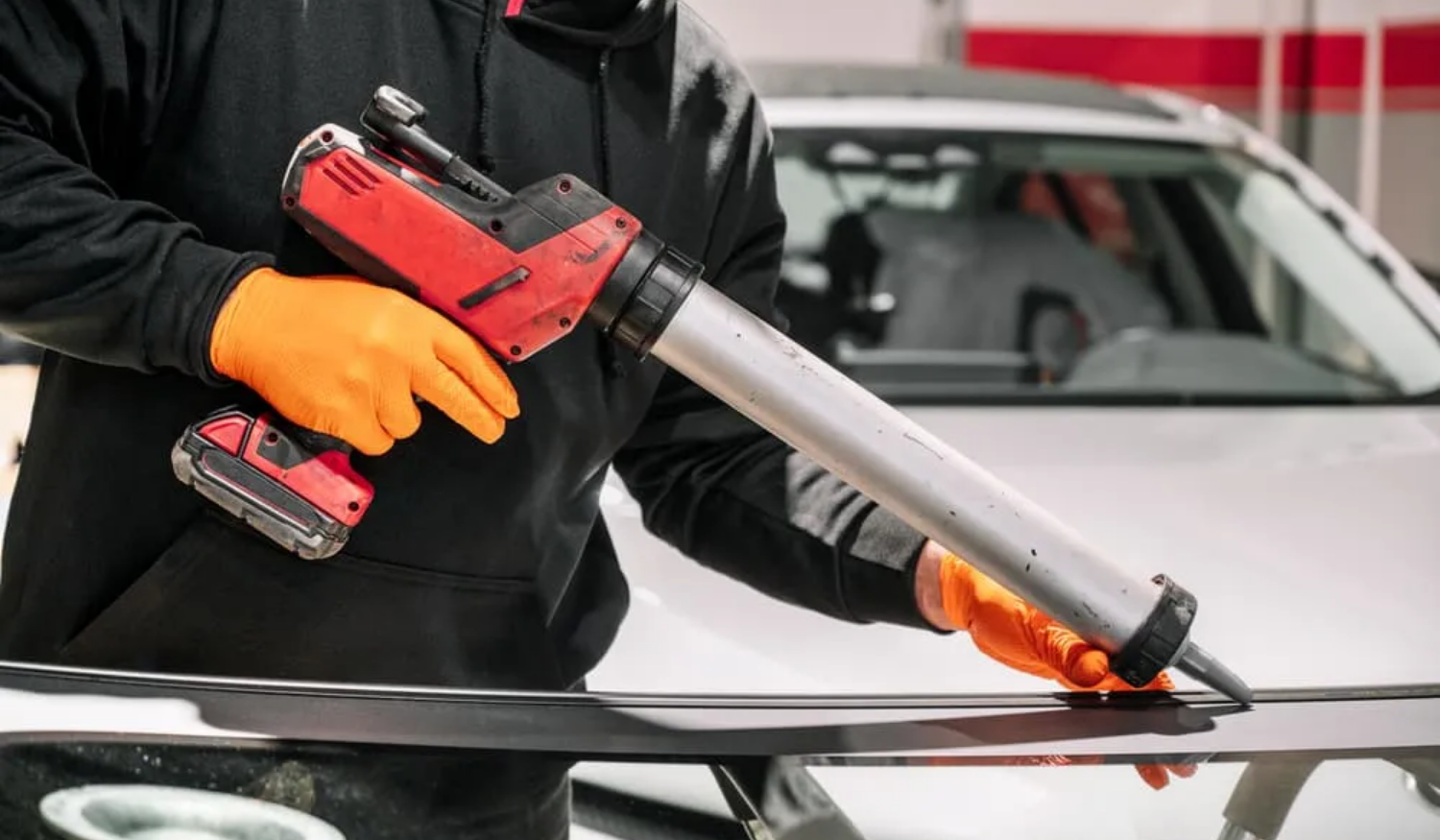
Structural adhesives can bond metals, composites and selected plastics across body components, brackets, housings and sub-assemblies. Epoxy, acrylic, methacrylate, polyurethane and hybrid polymer systems are available, with different levels of strength, flexibility, gap filling and environmental resistance.
Acrylic foam tapes can also be used for suitable semi-structural and attachment applications. Their viscoelastic core helps accommodate movement and distribute stress along the bond line.
Products and ranges to consider:
Exterior trim, badges and body-side mouldings
Automotive exterior attachment tapes are used for body-side mouldings, cladding, wheel arch components, roof ditch mouldings, badges and other decorative or protective parts.
The tape must suit the component substrate and the vehicle paint system, while also handling water, cleaning chemicals, vibration, cold impact and temperature change.
3M PT1100 VHB Acrylic Plus Tape is designed for automotive exterior trim attachment. Typical applications listed for the range include body-side mouldings, cladding, roof ditch mouldings and wheel flares.
Through our sister company, Viking Tapes, we can also supply automotive exterior mounting tapes in standard widths or discuss converted formats for repeat production.
Automotive interiors and trim bonding
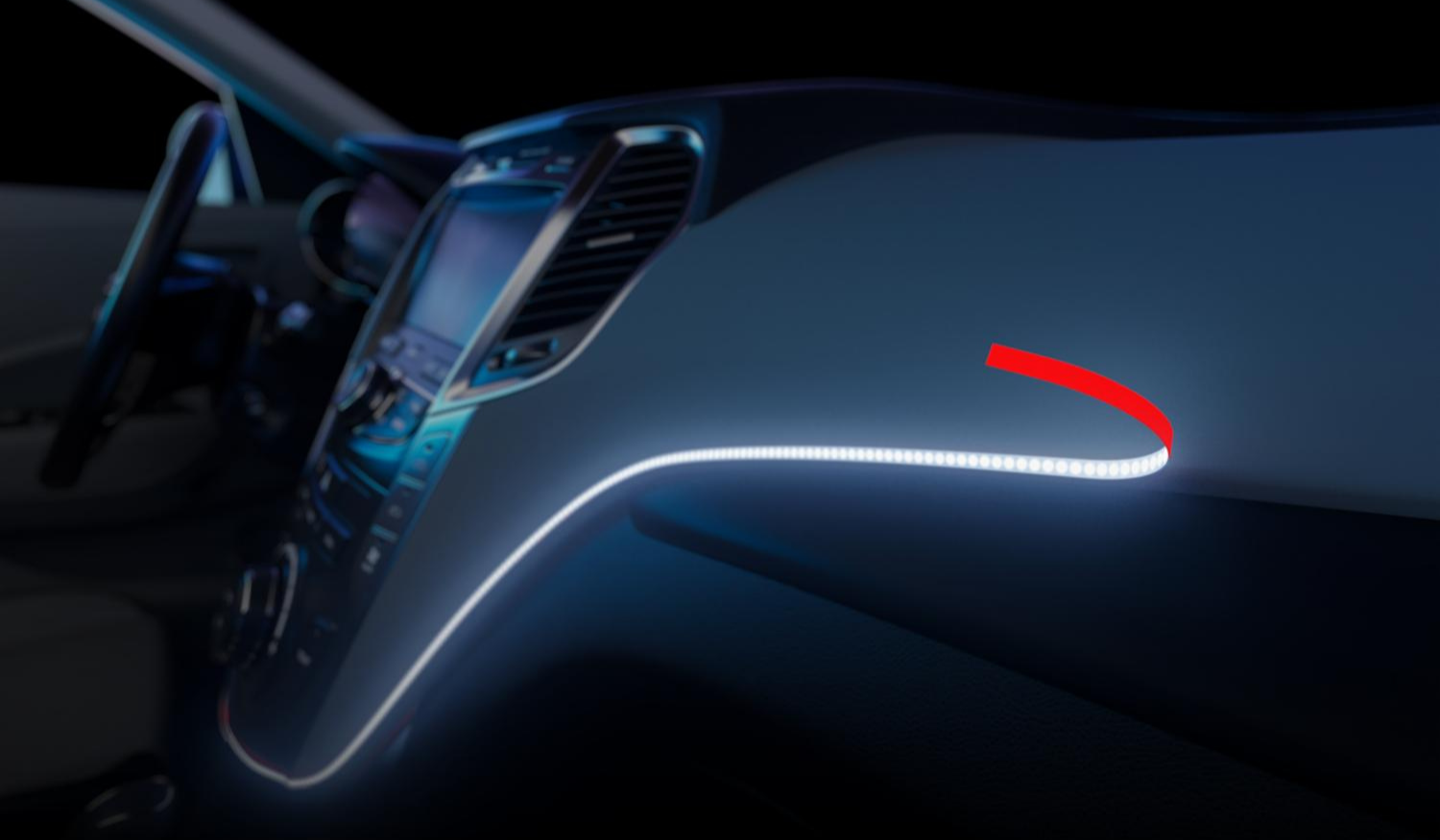
Vehicle interiors contain plastics, textiles, foams, leather, coated fabrics and decorative surfaces. Bonding applications include door cards, instrument panels, centre consoles, headliners, carpets, seat components, insulation and interior trim.
Double-sided tapes provide immediate handling strength and can reduce visible fixings. Liquid adhesives and hot melts may be more appropriate for complex shapes, porous materials or larger surface areas.
3M GPT-020F Double-Sided Tape uses an acrylic adhesive with a polyester carrier and is suitable for a range of high and low surface-energy plastics. Other double-sided tapes for automotive interiors are available where a different thickness, carrier or adhesive system is required.
Low-odour and low-VOC options can be considered where the vehicle interior specification requires them. These requirements must be checked at individual product level.

Displays, control panels and HMI assembly
Touchscreens, displays, control panels and other human-machine interface components require accurate bonding around thin substrates and restricted bond areas.
Depending on the design, suitable materials may include optically clear adhesives, double-sided tapes, UV-curing adhesives, silicones and electronic-grade sealants. Selection may be influenced by optical performance, touch sensitivity, thermal expansion, vibration and the need to avoid stress around the display.
For serviceable control panels and covers, reclosable fastening systems such as 3M Dual Lock SJ3550 can provide secure attachment with repeat access.
Noise, vibration and harshness control
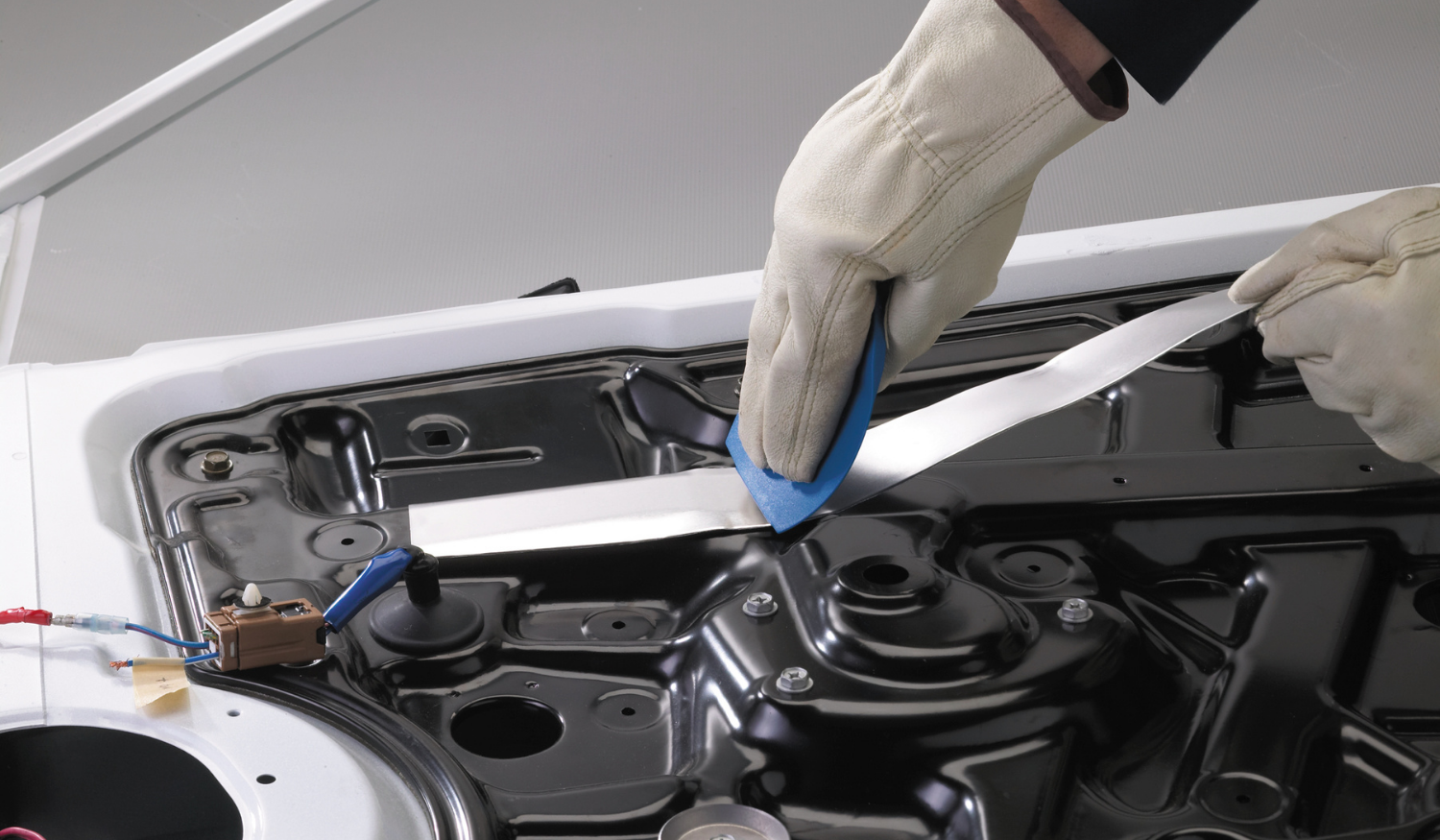
Vehicle panels, equipment housings and interior components can transmit vibration and generate unwanted noise. Pressure-sensitive damping materials convert a proportion of this vibration into low-level heat, reducing resonance through the treated panel.
3M 435 Vibration Damping Tape combines a soft aluminium constraining layer with a viscoelastic polymer. It is designed to absorb and dissipate vibration, helping to reduce noise and fatigue.
Foam tapes, cushioning materials and bonded insulation can also be considered for rattles, buzz, vibration isolation and acoustic control.
Powertrain, engine and transmission sealing
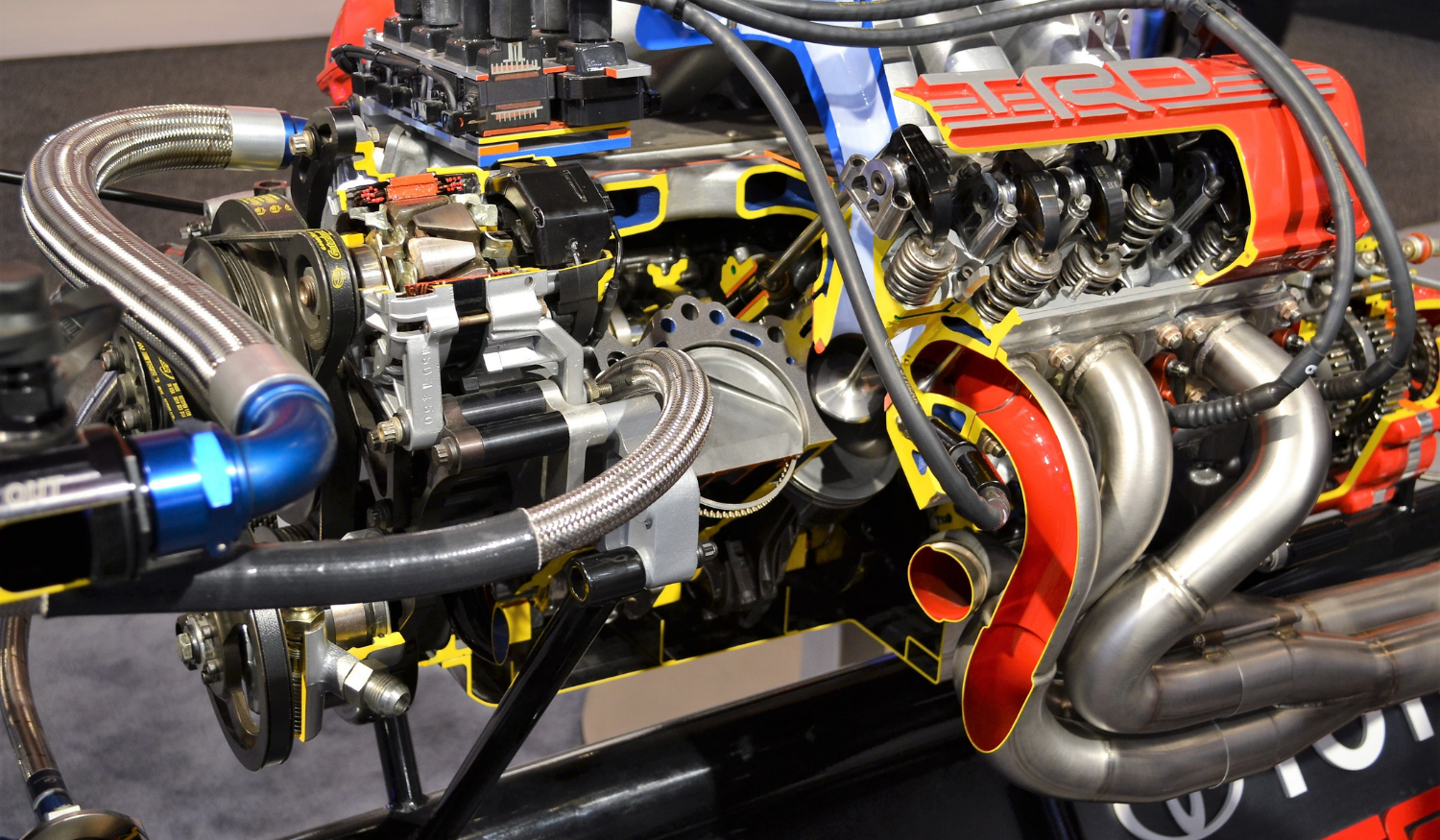
Automotive powertrain components need reliable sealing against engine oil, transmission fluids, coolant, water and other chemicals. Joint movement, vibration, flange condition and pressure testing can place further demands on the seal.
Liquid gaskets and form-in-place gaskets can follow complex flange geometry and avoid the handling associated with pre-cut gaskets.
ThreeBond TB1215 Grey OEM Engine Gasket is an automotive RTV silicone liquid gasket designed for flange sealing applications such as gear cases, oil pans and valve covers. It offers resistance to gear oil and mechanical shear, subject to the conditions stated in its technical data.
Our ThreeBond powertrain guide also covers TB1217H, TB1207B and TB1184 for different engine, transmission and flange-sealing requirements.
EV battery module and battery pack assembly
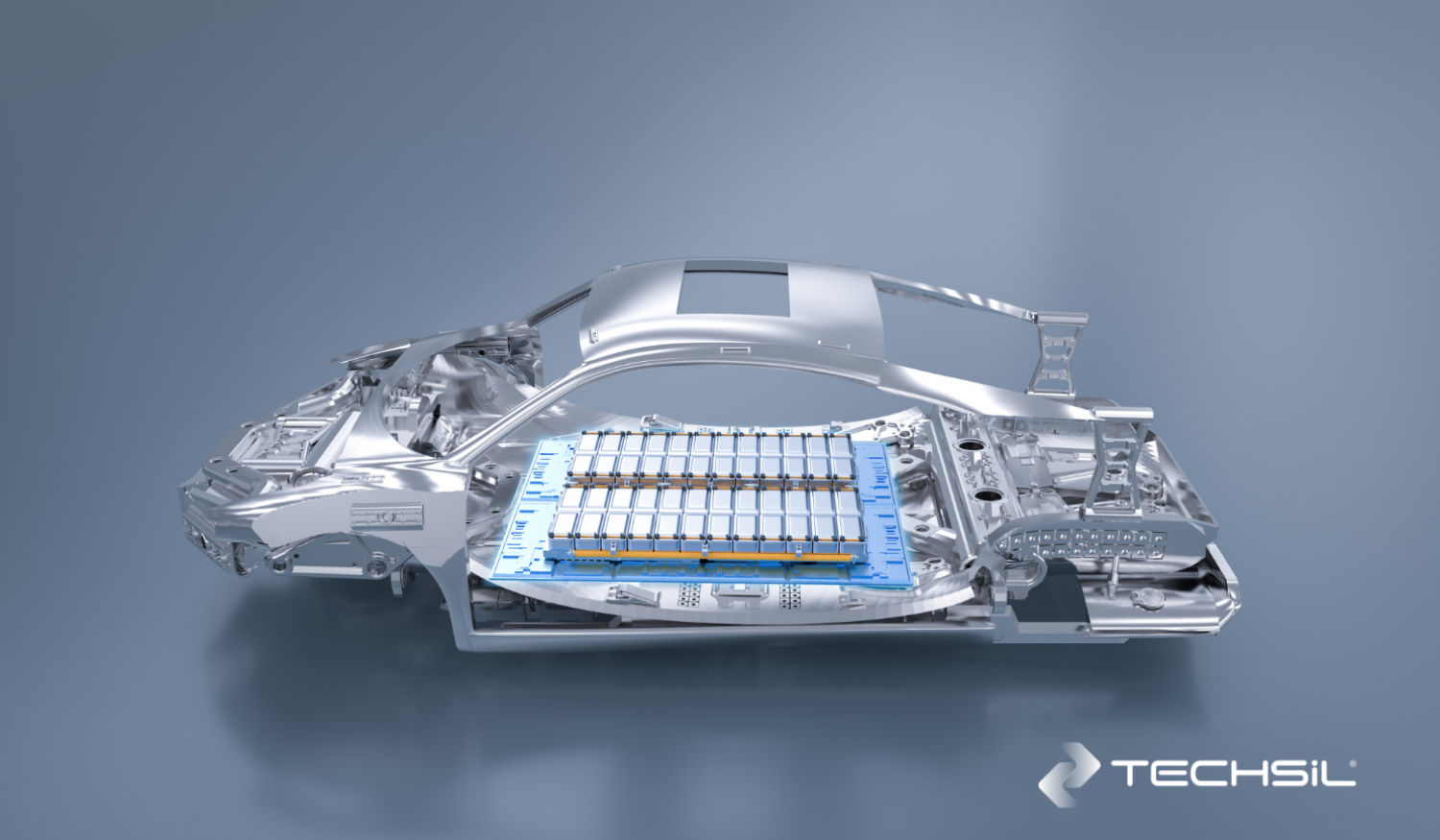
Electric vehicle battery systems use adhesives and sealants for cell contacting systems, module assembly, thermal transfer, electrical insulation, environmental sealing and electronic protection.
The material may need to provide one or more of the following:
- Thermal conductivity
- Electrical insulation or electrical conductivity
- Gap filling
- Structural support
- Vibration protection
- Resistance to moisture and automotive fluids
- Controlled hardness to limit stress on cells or electronics
- Flame-retardant performance
- Compatibility with automated dispensing and curing
Our guide to adhesives for cell contacting systems and battery pack assembly covers Panacol UV-curing and dual-curing adhesive systems developed for these applications.
Material approvals, flammability ratings and electrical properties should always be confirmed against the exact grade and battery design.
Thermal management for EVs and automotive electronics
We supply thermally conductive adhesives, gap fillers, potting compounds, greases and liquid-dispensed thermal pads for batteries, ECUs, power electronics, inverters, charging systems, sensors and vehicle lighting.
TECHSiL TIM11123GB is a one-part, self-gapping thermally conductive RTV silicone with a published thermal conductivity of approximately 2.3 W/m.K. Glass beads control the bond-line thickness and the material is supplied in a 310 ml cartridge.
Momentive SilCool materials include thermal adhesives, encapsulants, potting compounds, greases and liquid-dispensed gap fillers. Our advanced thermal silicones for EV and AV applications guide covers examples including TIA225GF, TIA208R, TIA241GF and TN8000.
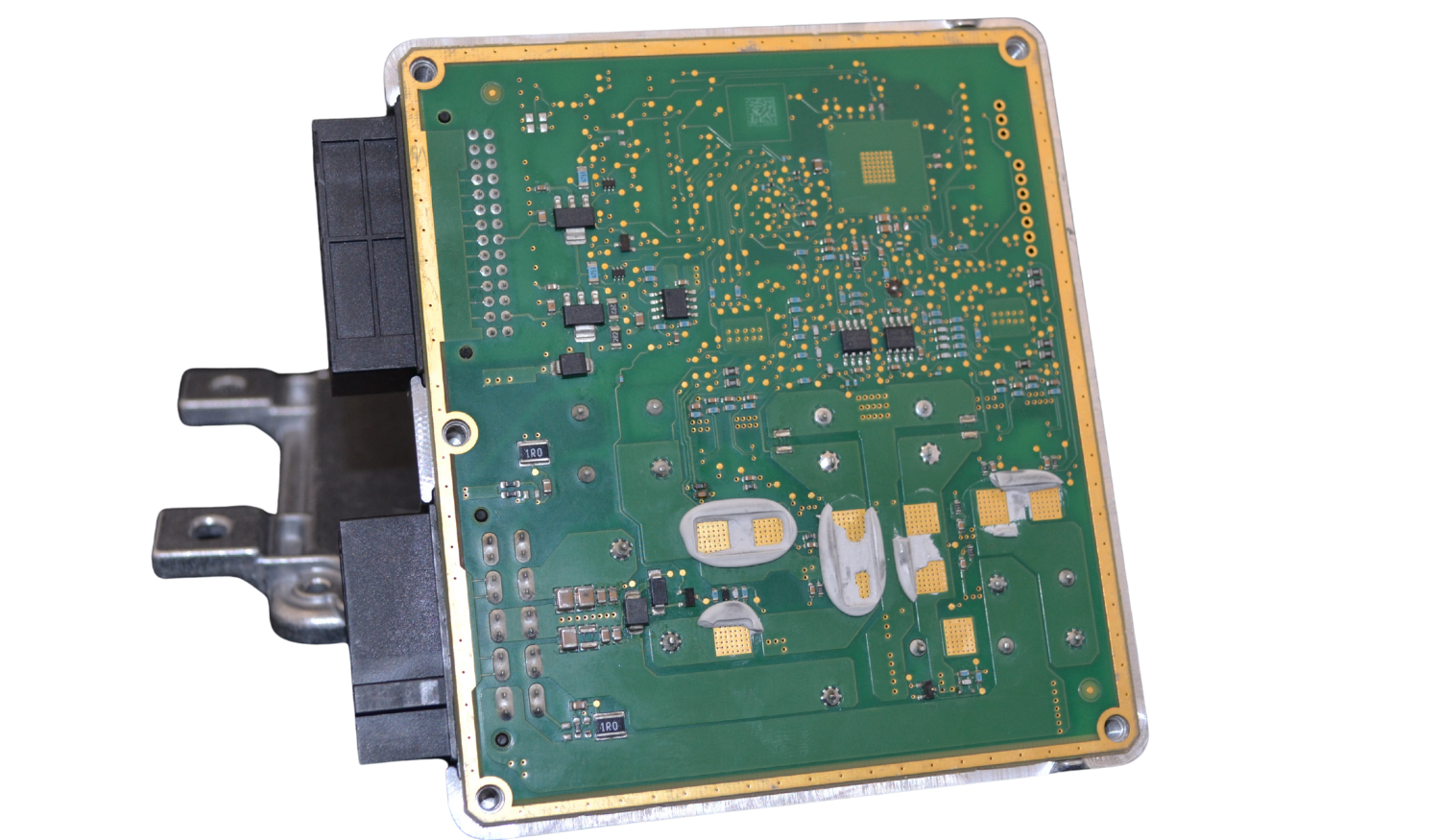
ECUs, connectors, sensors and electronic modules
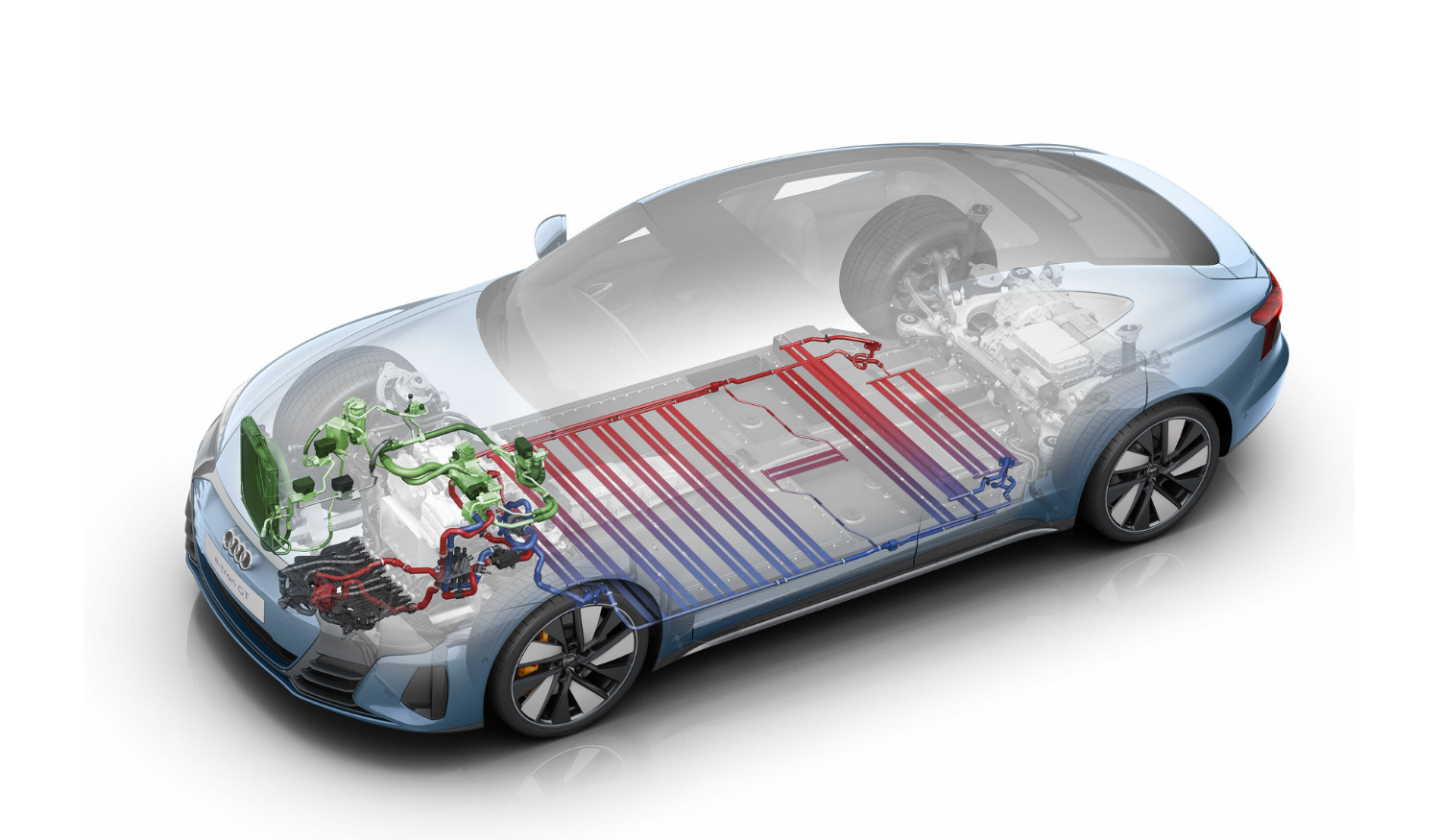
Potting and encapsulation materials surround an electronic assembly, helping protect it from moisture, contaminants, vibration and mechanical stress. Silicone, polyurethane and epoxy materials offer different combinations of hardness, flexibility, adhesion, thermal behaviour and chemical resistance.
Flexible silicone materials can be useful where delicate components, thermal cycling or vibration create a need for lower stress. Harder encapsulants may suit applications requiring greater mechanical protection.
Momentive RTV133 Electrical Silicone is a one-component black silicone adhesive sealant intended for electronic and automotive applications where low flammability is a design consideration. Any UL rating must be checked against the product specification and the proposed application.
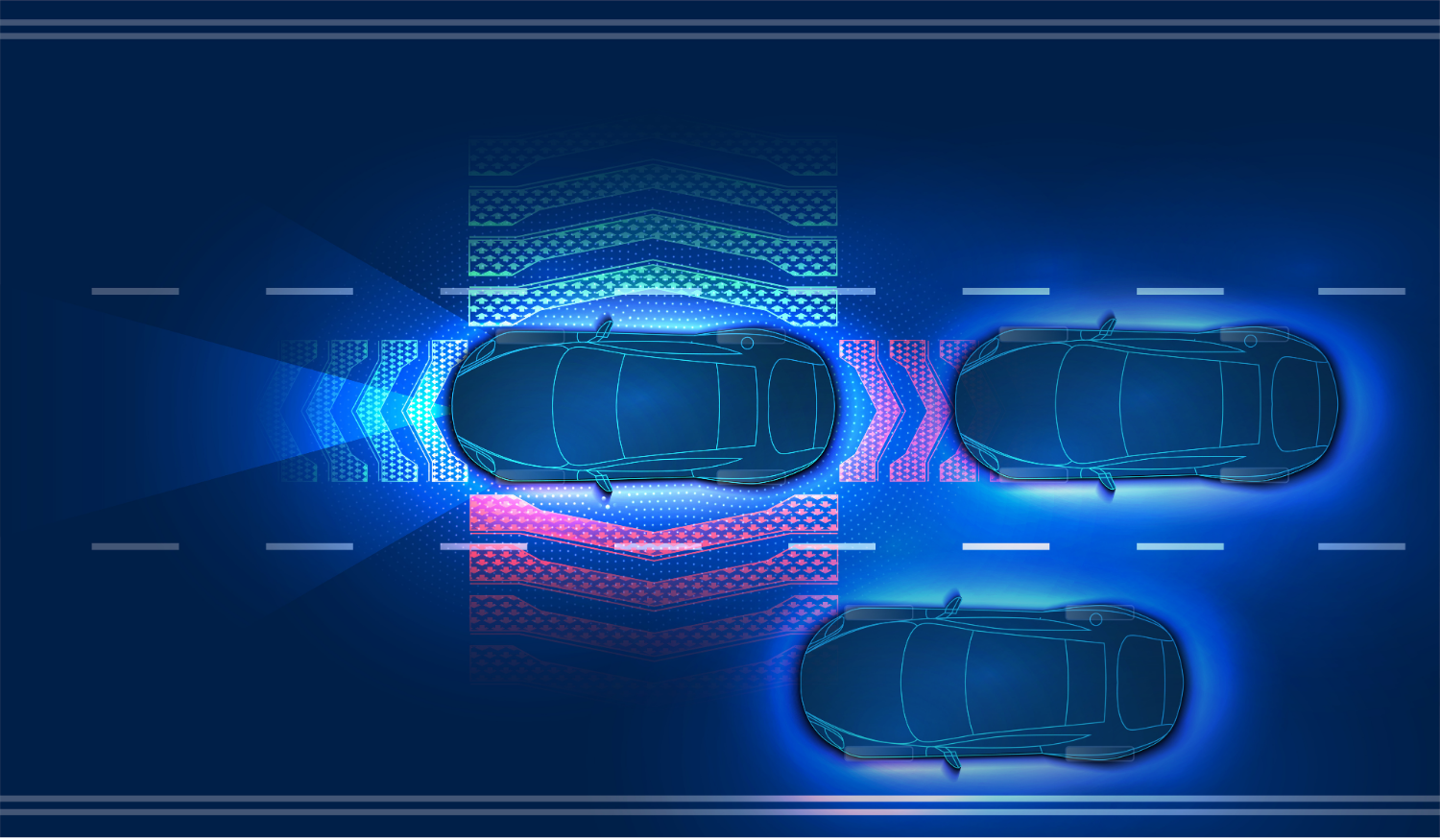
ADAS, cameras and LiDAR assemblies
ADAS cameras, LiDAR systems, sensors and their control electronics require stable positioning and protection from heat, moisture, vibration and contamination. The small bond areas used in these assemblies can also make controlled dispensing and cure particularly important.
Potential material groups include:
- Low-stress silicones for camera and sensor components
- Thermal materials for control units
- Potting and coating materials
- UV-curing adhesives for rapid component fixation
- Sealants for housings and optical assemblies
- Electrically conductive or shielding materials where specified
Our material solutions for LiDAR assemblies guide covers Momentive SilCool thermal materials and SnapSil electronics bonding materials for automotive sensor systems.
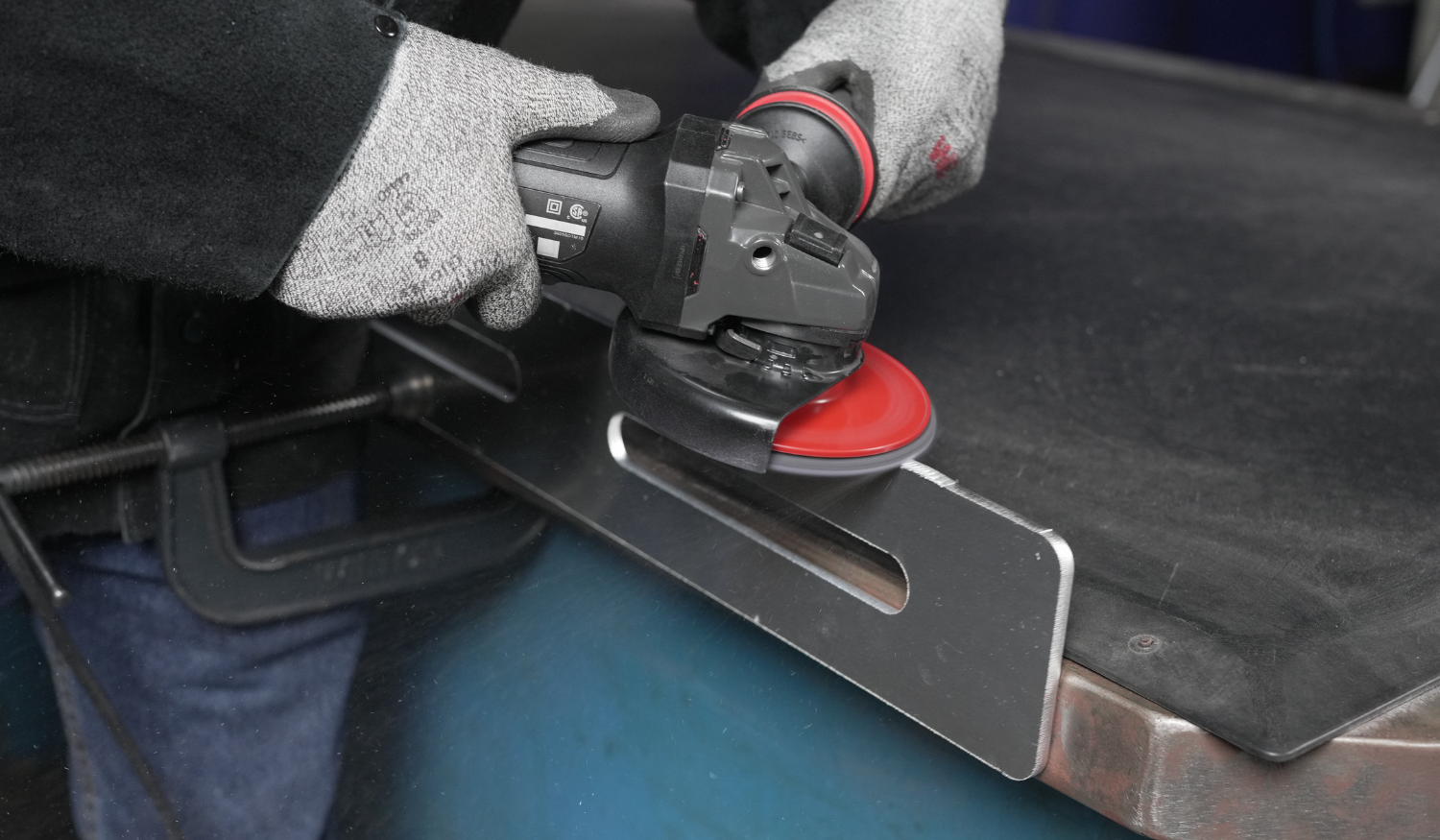
Automotive masking and surface protection
Paint preparation, refinishing and component manufacture require tapes that can follow curves, resist the relevant bake temperature and remove without damaging the surface or leaving unwanted residue.
3M 3434 Blue Automotive Masking Tape is a smooth creped-paper tape intended for automotive masking applications. Viking Tapes also supplies fine-line tapes, foam masking, protective films and low-bake masking grades.
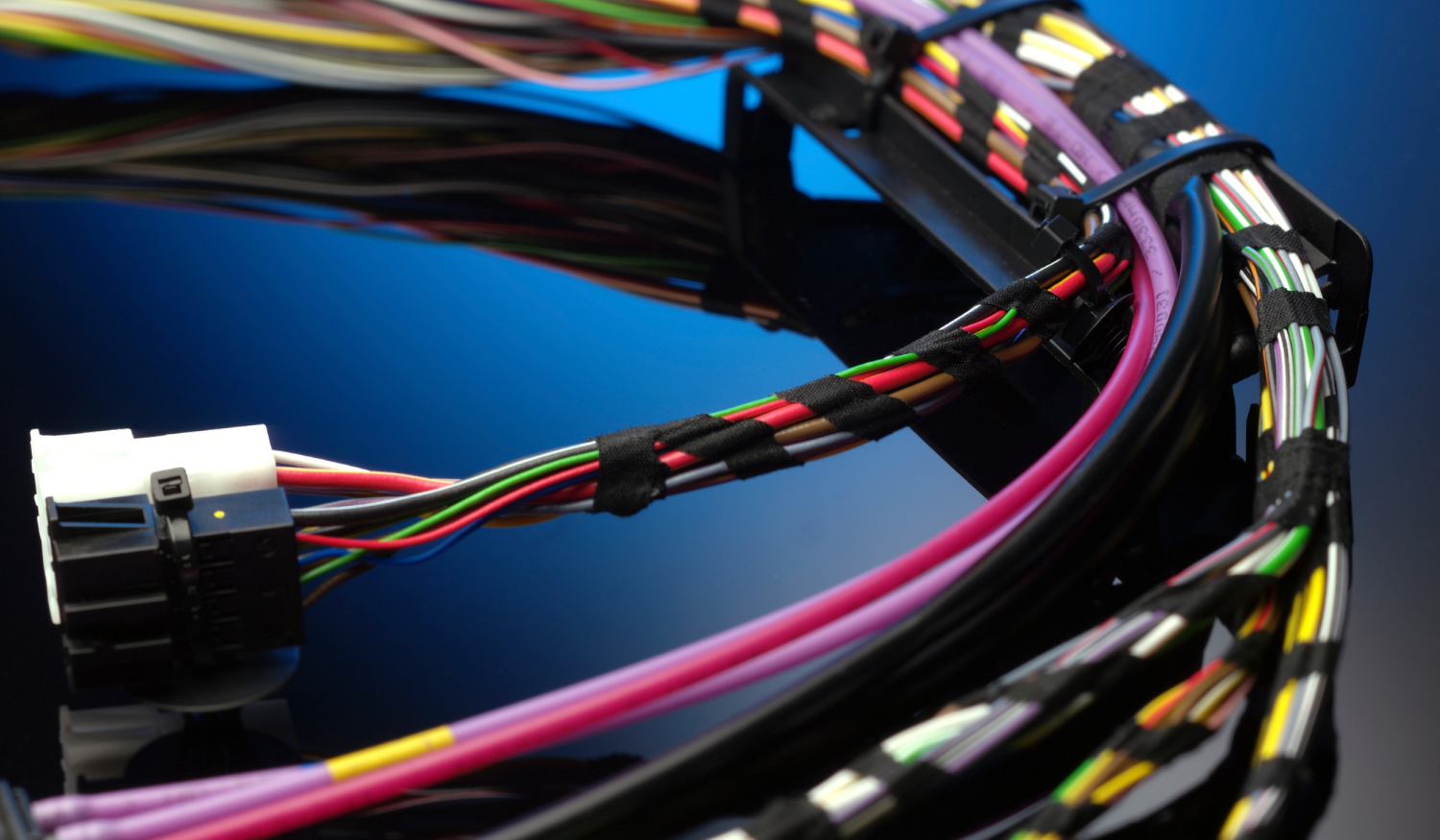
Wire harnessing, insulation and cable protection
Automotive wire harness tapes are used for bundling, abrasion protection, noise reduction, electrical insulation and local reinforcement. Product selection depends on the harness location, temperature, abrasion risk, flexibility, noise requirement and relevant OEM specification.
Our sister company, Viking Tapes, supplies electrical, cloth, film and specialist tapes in a wide range of widths. We can help identify appropriate products and supply slit widths for repeat harness production.
PRODUCTS WE SUPPLY
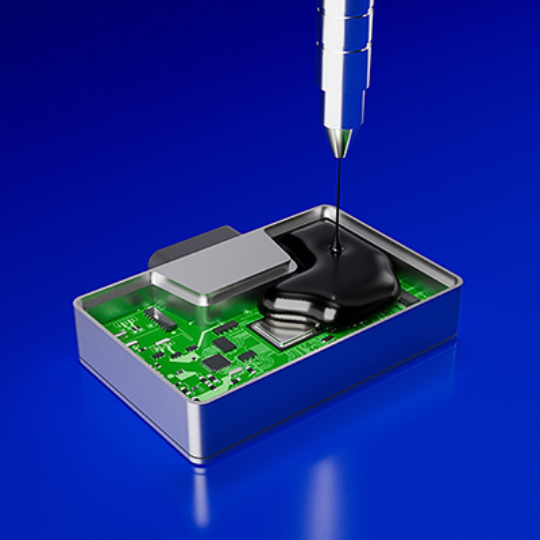
UV Cure Adhesives
For cured in place gaskets, PCB and sensor protection, and bonding composites.
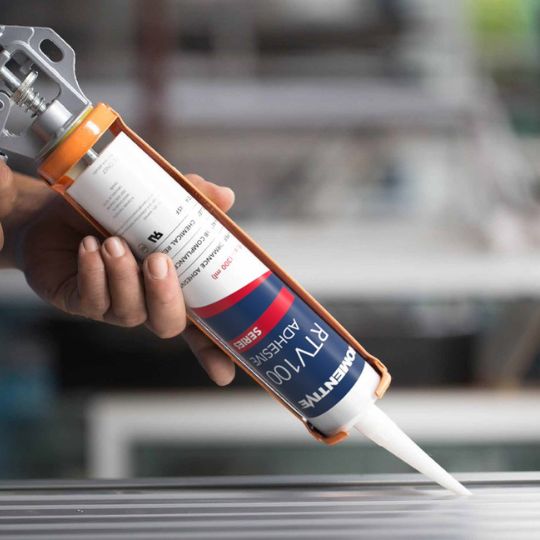
RTV Silicone
For reliable and high quality sealing with low outgassing and military spec solutions.
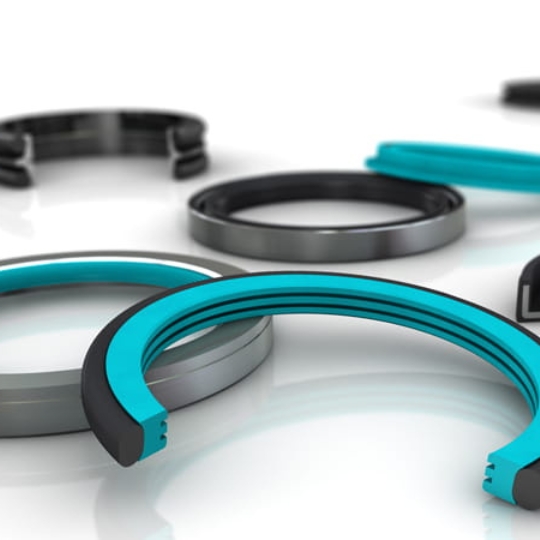
O-Rings
For watertight and airtight sealing of pipes and tanks with FDA approved solutions.
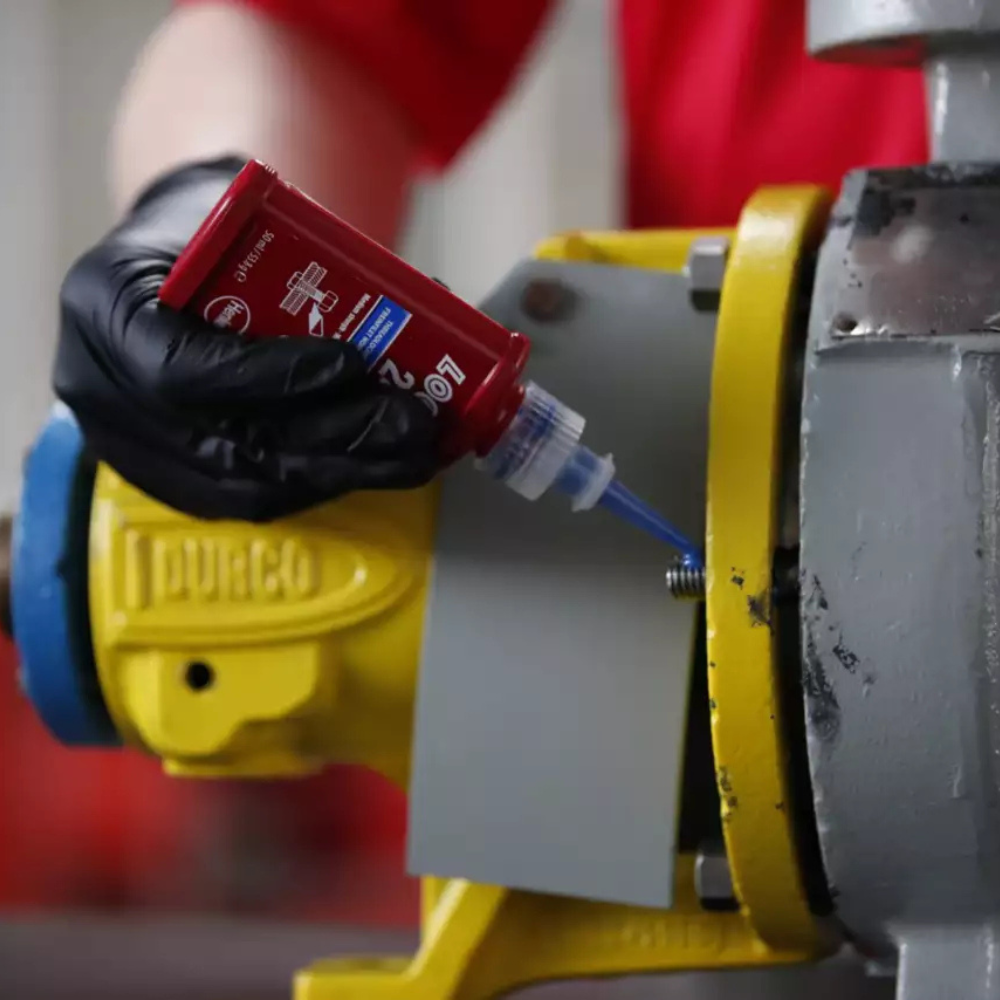
Threadlockers
To prevent mechanical fixtures loosening due to vibration.
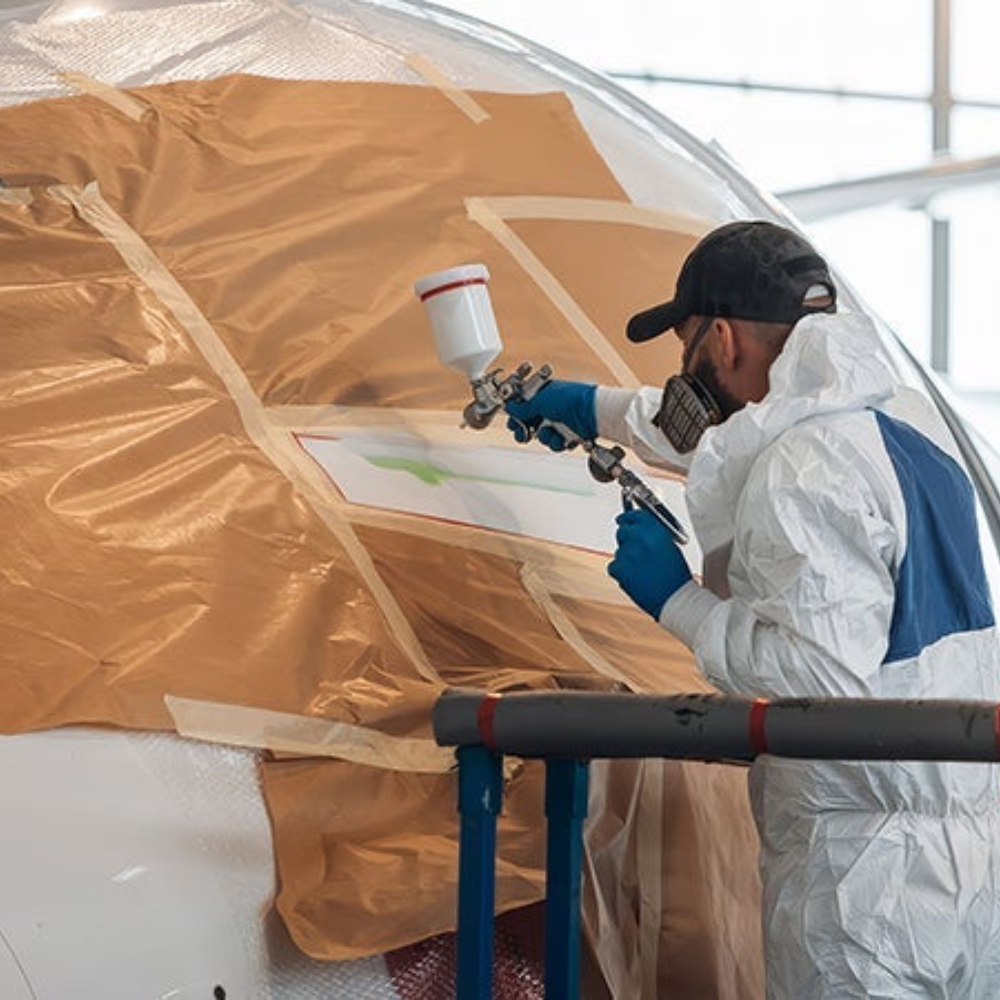
Coatings and Paint
For corrosion and weather protection, priming, and to meet colour requirements.
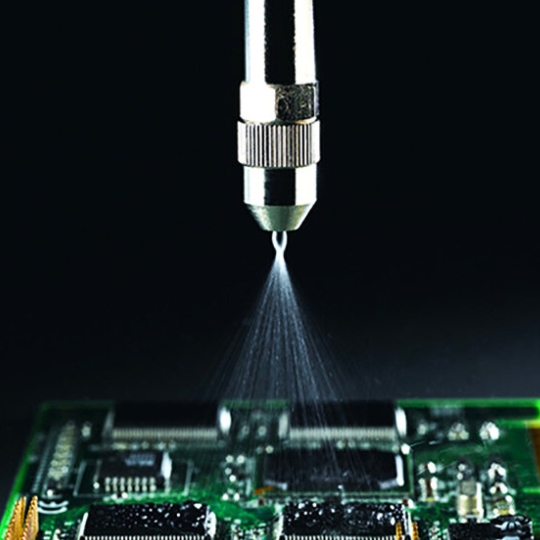
Thermal Management
For protecting sensitive electronic or engine components and transfering heat to heat sinks.
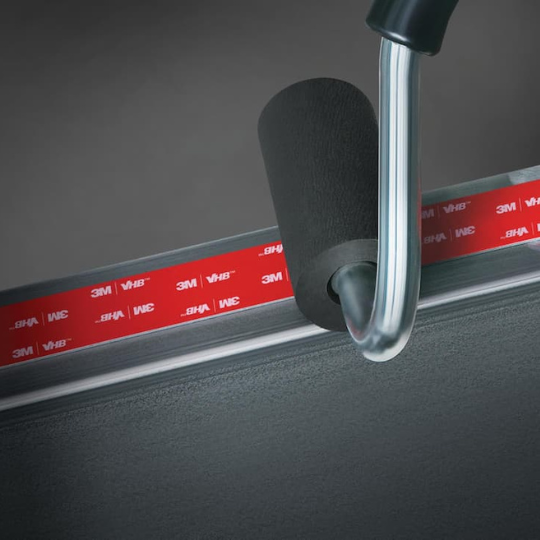
Adhesive Tape
For interior and exterior bonding, acoustic dampening, and bonding dissimilar substrates with low VOC solutions
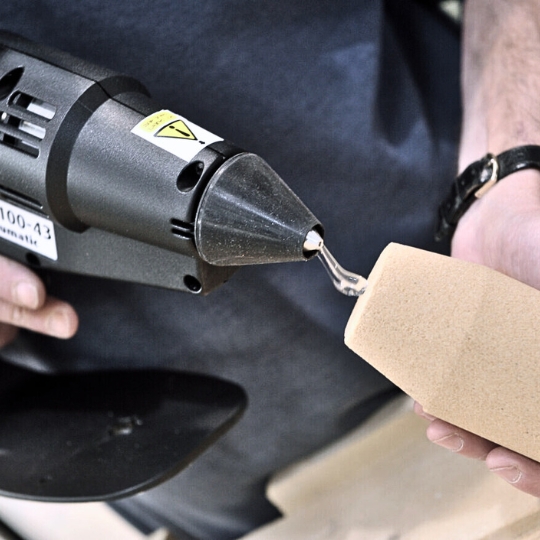
Hot Melt
For furniture assemble, appliances, and hard to bond substrates like composite blades.
Find a Specialist


Slater Jinkinson
SALES DIRECTOR
slater.jinkinson@techsil.co.uk
+44 (0)7765 668959

Nigel Jarrem
BUISNESS DEVELOPMENT MANAGER
nigel@vikingtapes.co.uk
+44 (0)7547 441120
Discuss Your Automotive Application
Tell us what you are bonding, sealing or protecting, along with the operating conditions and current production process. Our technical team can help narrow down the available materials and identify products for testing.
technical@techsil.co.uk | +44 (0) 1789 774 244
Resource Centre
Visit our Resource Centre and discover a comprehensive collection of informative videos, white papers, and technical guides that examine our innovative approach to the Automotive industry.
Why work with us?
An automotive material has to perform in the finished vehicle and fit the manufacturing process used to apply it. We help customers work through both.
Our support includes:
- Technical guidance based on substrate, joint design and operating environment
- Samples for material and process trials
- On-site consultations where required
- Tape slitting and conversion to application-specific widths
- Die-cut tape parts and converted components
- Repacking into cartridges, syringes, sachets and other production formats
- Kitting and custom labelling
- Stock management based on forecasts and repeat demand
- Call-off and forward-order arrangements
- Specialist chilled, frozen, heated and flameproof storage
- Hazardous material shipping
- Full supporting documentation and traceability
- Contract form-in-place foam gasketing
- ISO 9001:2015 quality management
Automotive Technical Resources
Explore our automotive application guides:
- A Guide to Automotive Sealants
- High Performance Tapes for Automotive Applications
- ThreeBond Engine Sealing and Powertrain Products
- Advanced Thermal Silicones for EV and AV Applications
- Adhesives for Cell Contacting Systems and Battery Pack Assembly
- Material Solutions for LiDAR Assemblies
- Automotive Industry Knowledge Base
- Potting Materials for Electronic Components
- Thermal Management Knowledge Base
Automotive Products
-
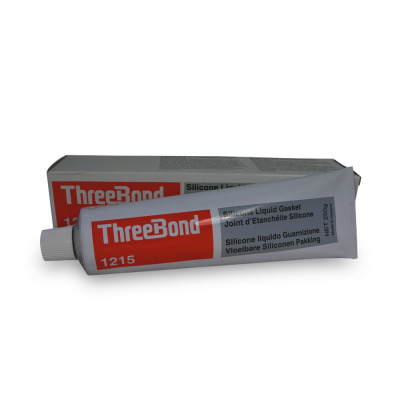 ThreeBond TB1215 Grey OEM Engine Gasket 250gm£14.46 ex VAT £17.35inc VAT From £12.31 ex VAT £14.77inc VAT
 -
-
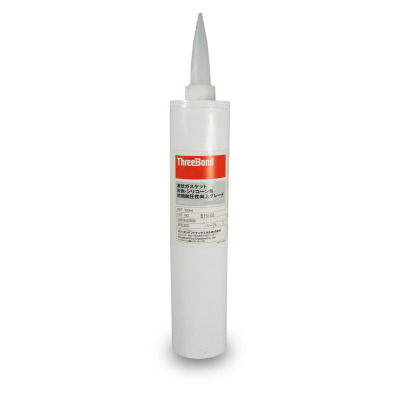 ThreeBond TB1280B Oil Resistant Silicone 350gm£31.93 ex VAT £38.32inc VAT
 -
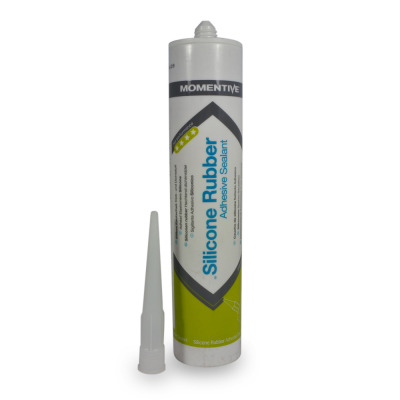 Momentive RTV133 Black Electrical Silicone 383gm£78.51 ex VAT £94.21inc VAT From £70.85 ex VAT £85.02inc VAT
 -
 Stokvis VLLM15BK Black Velour Tape 15mm x 25m£7.50 ex VAT £9.00inc VAT From £6.00 ex VAT £7.20inc VAT
Connecting industries worldwide with
innovative bonding solutions