
Packaging options and repacking service
When you’re using silicones and adhesives in production, the pack size matters more than most people expect. It affects line changeovers, dosing control, waste, storage, and even cure reliability for moisture-sensitive materials.
TECHSiL supplies a wide range of packaging formats and can repack selected silicones and adhesives into sizes that suit manufacturing and distribution. This is typically used when the standard manufacturer pack doesn’t match the way you dispense, assemble, kit, or ship product.
Momentive RTV supply, backed by UK and European approval
TECHSiL is the only approved Momentive distributor in the UK and Europe for RTVs, and the largest European distributor of Momentive RTVs. That matters in practical terms because it ties supply continuity, product knowledge, traceability, and packaging support into one place. You’re not trying to solve production issues with second-hand product history or mixed sources.
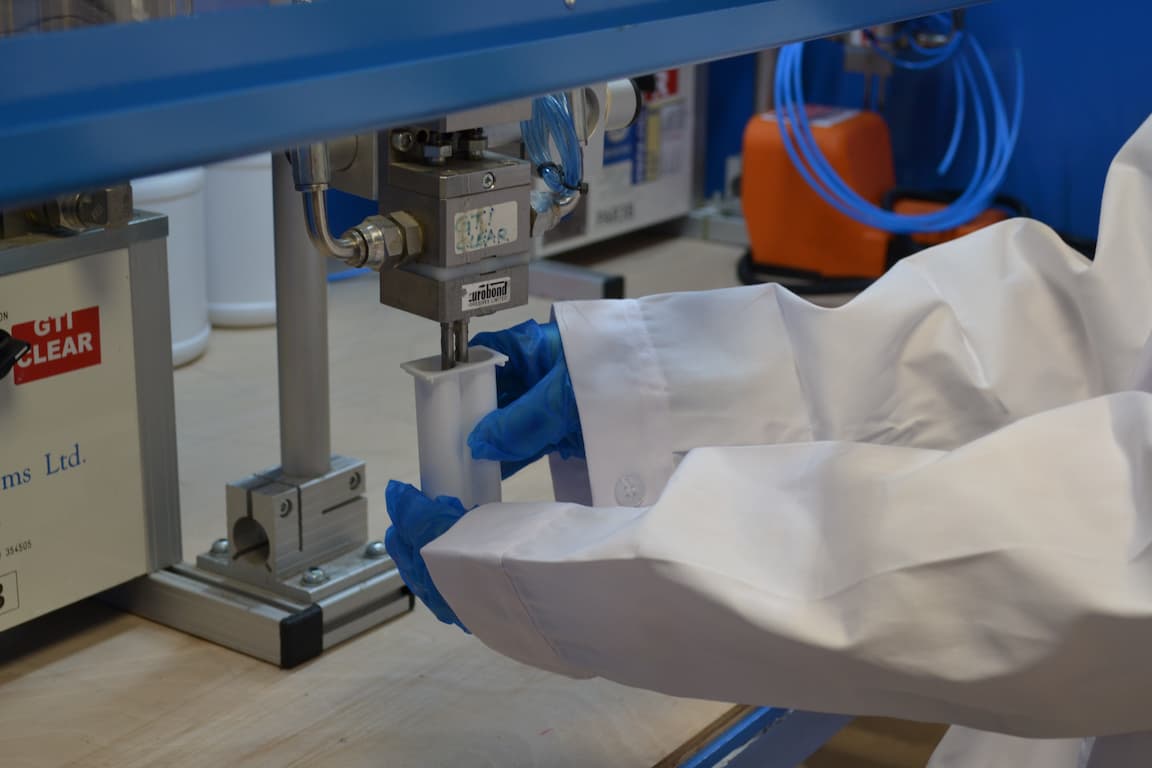
At TECHSiL We can pack or repack an extensive range of chemicals, silicones and hazardous materials in compliance with local market regulations. As part of our chemical packing offering, you’ll benefit from:
- A fast, flexible and cost-effective service
- ISO-certified quality management systems
- A wide range of packing formats
- Fully customisable labelling
- Kitting options
And if you have specific requirements, our team of specialists will be happy to offer a complimentary consultation to discuss contract manufacturing services.

Packaging formats and size options
Different sites use different dispensing set-ups, so packaging tends to be chosen around the equipment, not the catalogue. Below are the common formats we support (availability depends on material type, viscosity, filler loading, and cure chemistry).
Small packs for controlled dosing and trials
-
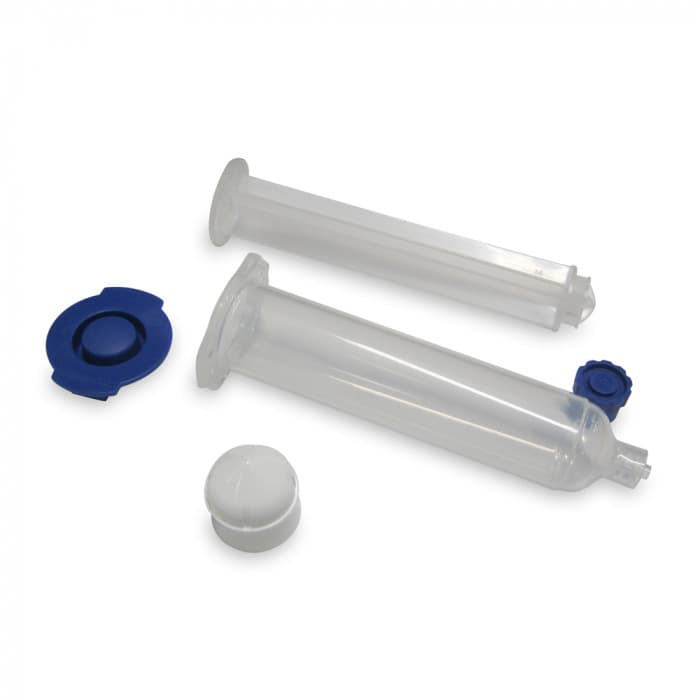
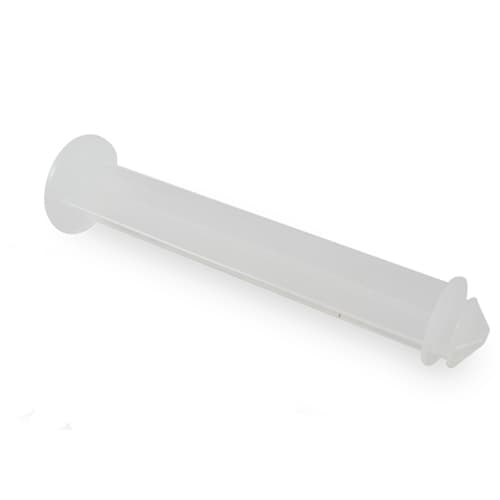
Syringes and small applicators
Used for bench work, controlled bead application, repair, and low-volume assembly. Also suits automated syringe-dispense systems when a cartridge is too large.
Often chosen for high value materials where waste has a real cost. -
Cartridges (manual or pneumatic)
The standard choice for sealants and RTV silicones on assembly lines and maintenance areas. Cartridge filling can be set up with piston types to reduce air entrapment and keep a consistent bead. | Sizes typically from 2.5 oz up to 32 oz. -
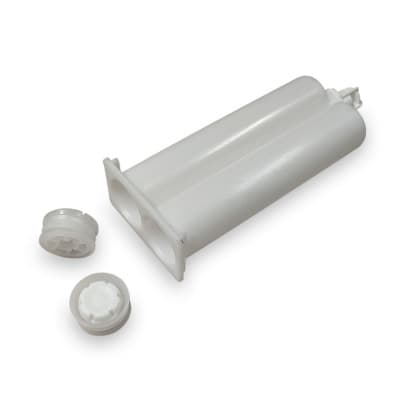
Twin cartridges (for 2-part systems)
Where the product is a 2K adhesive, twin cartridges with static mixers can make sense for controlled ratio dispensing without a full meter-mix setup. Suitability depends on pot life and whether the product tolerates shear in a mixer. | Sizes typically from 50 ml up to 1,500 ml, depending on ratio and supplier hardware. -
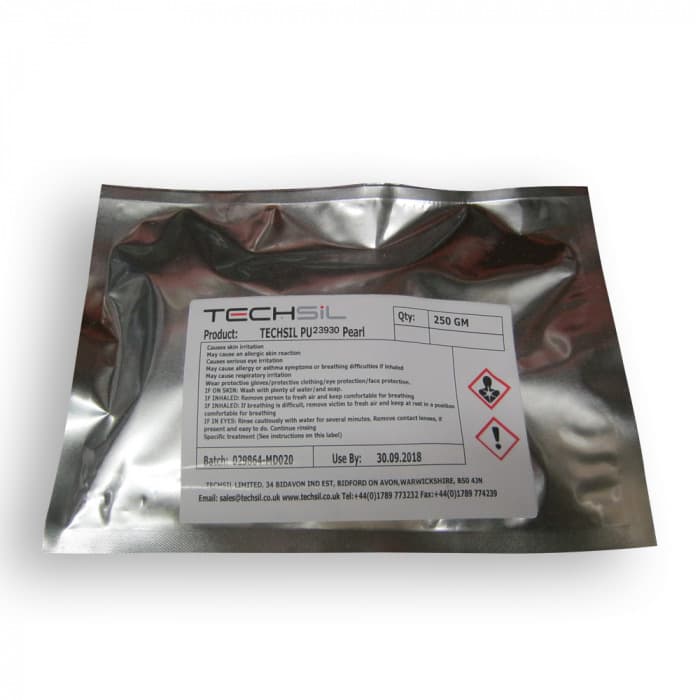
Sachets / single-use packs
Practical for field use, service teams, and kitting. Also useful when you want a fixed dose per unit built, so operators aren’t “guessing” amounts. | Typical sizes from 2 ml to around 28 ml.
Mid-size packs for line supply and reduced changeovers
-
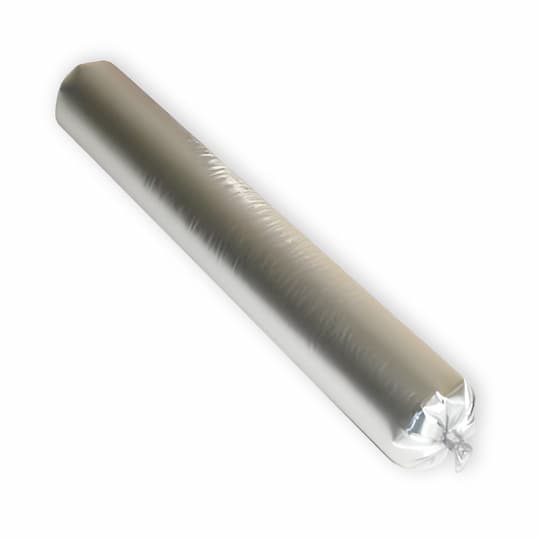
Foil sausages
Common in construction-style application, and in some manufacturing areas using sausage guns. They can reduce packaging waste compared with rigid cartridges, and they store efficiently. For moisture-curing RTVs, barrier film selection and sealing quality are important. | Sizes from 300 ml up to 600 ml. -
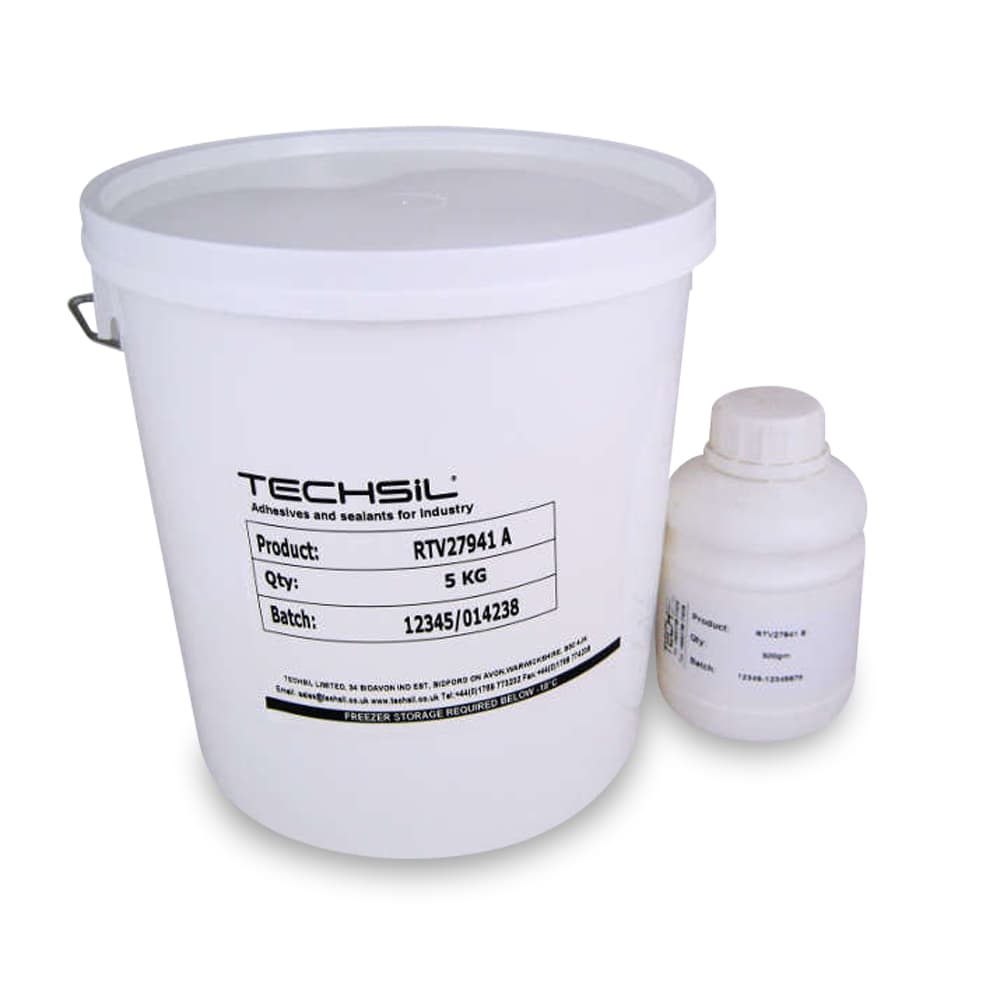
Tins, tubs, and pails
These are used where operators decant into smaller dispensers, or where product is applied by spatula/roller. Pails also work well for feeding pump systems on production lines. -
Aluminium tubes
Typical sizes from 0.5 oz to around 5 oz. -
Glass bottles (round or square, brush cap options)
Typical sizes from a few millilitres up to around 1 litre.
Chosen for primers, low viscosity coatings, and materials where solvent resistance matters. -
Plastic bottles and jugs
Sizes from a few cc up to roughly 2.5 gallons.
Used for decanting, pump feed, or distribution. -
Plastic jars and metal cans
Sizes from 0.5 oz up to 1 gallon.
Common for pastes, greases, gap fillers, and materials applied by spatula.
Bulk supply for pumping, metering and distribution
-
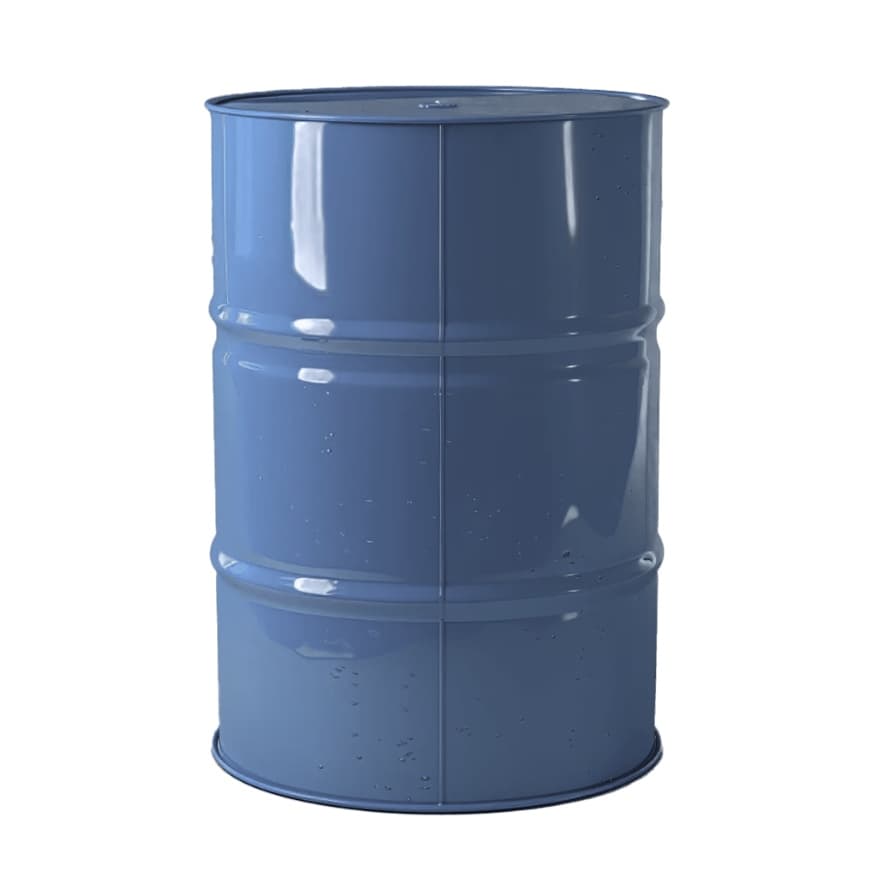
Drums
Often used for pumped dispensing, high-throughput use, or where you are feeding a day tank. Drum handling needs to be planned properly to avoid contamination and moisture ingress. -
Intermediate bulk formats (where applicable)
For high-volume users and distribution programmes. Not every product is suitable for bulk handling, especially moisture-cure RTVs, so this is assessed case by case.
If you already know the format you want, that’s fine. If you don’t, a quick look at your application method and daily usage normally gets you to the right answer.
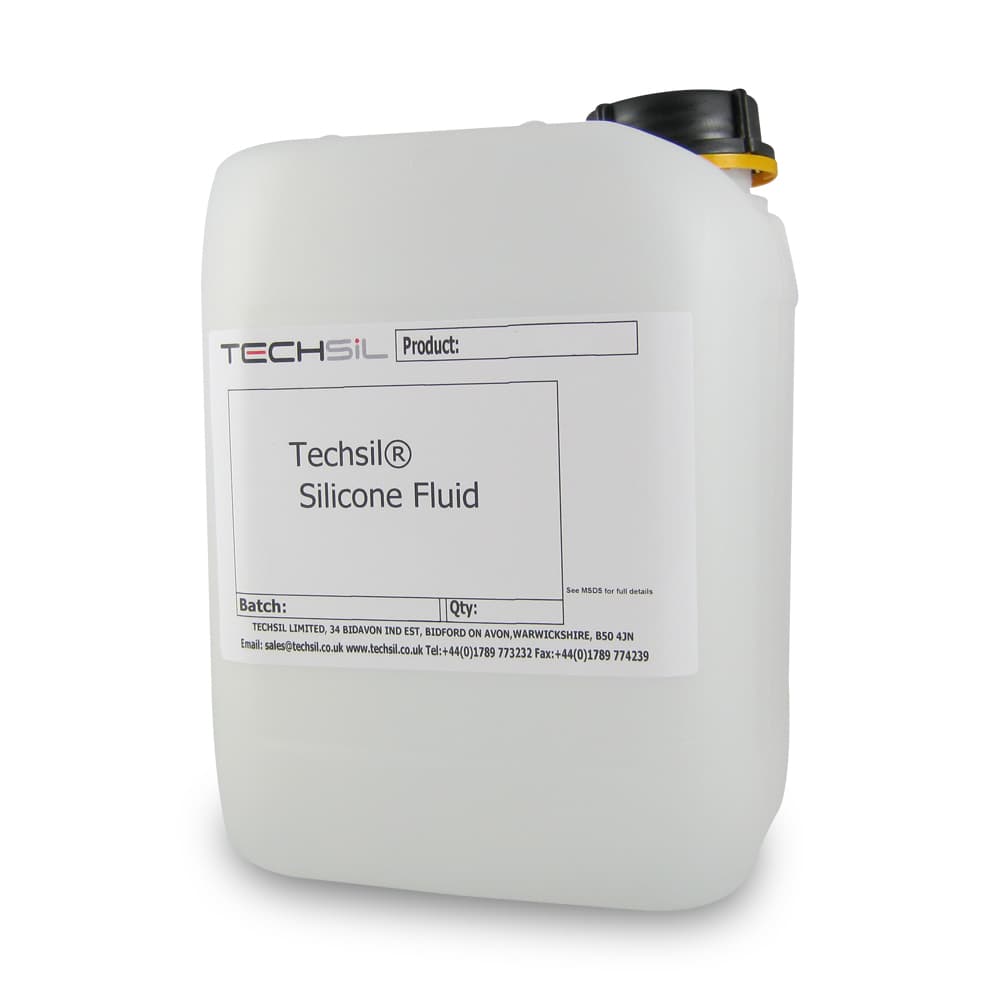
UN Containers for air freight and regulated transport
For certain materials and shipment routes, we also supply UN approved containers. These are containers that meet UN performance packaging requirements for the transport of regulated goods, including air freight.
In practical terms, this means:
-
The container itself is certified to withstand drop, stack, and pressure tests
-
It can be shipped by air without being placed inside a larger overpack or heavy crate
-
Labelling and closure systems are designed to meet transport regulations rather than just storage needs
UN Containers are typically used for:
-
International air shipments where weight and volume penalties are high
-
Urgent production material where lead time matters
-
Distribution stock that must move compliantly through multiple carriers
They are available across several container types, including bottles, jerricans, and pails, subject to product classification. Not every silicone or adhesive requires UN packaging, and not every product benefits from it, so this is assessed case by case.
Why repack at all?
Repacking tends to solve issues you only notice once production scales or distribution gets messy.
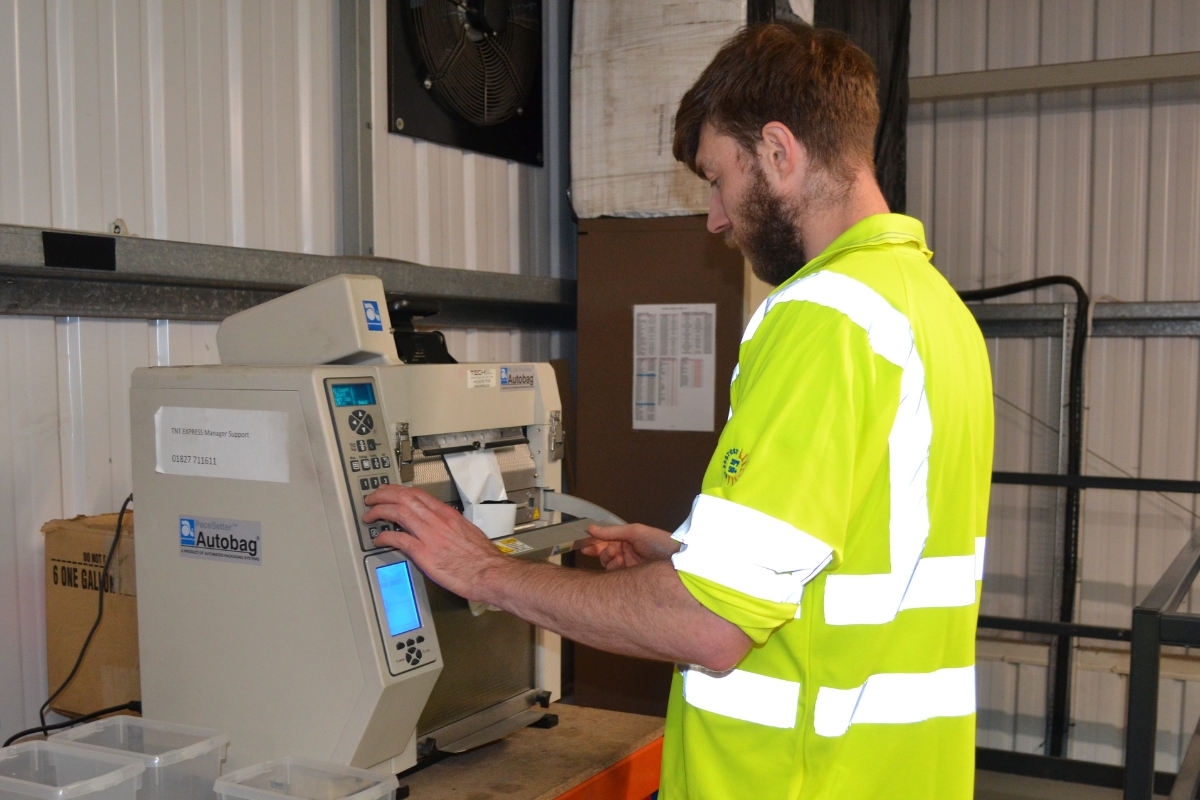
Benefits for manufacturing
-
Less waste at the point of use
If a team only uses a small amount per shift, a large pack often skins, cures, or becomes unworkable before it’s finished. This is common with moisture-curing RTVs left open too long. -
More predictable dosing
Single-use packs, syringes, or defined cartridge sizes support consistent application. That helps with bead size control, cure reliability, and rework rates. -
Better fit for the dispensing method you actually use
A product that’s fine chemically can behave badly if the pack doesn’t suit the gun, pump, or mixer. Correct pack selection can reduce operator fatigue aswell, and reduce “workarounds” on the line. -
Simpler internal logistics
When packs match your workstations, you can keep less open stock on the bench, reduce changeovers, and make kitting more reliable.
Repacking service: how the process works
Repacking needs to be treated as a controlled manufacturing activity, not “decanting into another tub”. For RTV silicones and specialist adhesives, small details decide whether the product behaves the same on your line.
A typical repack workflow looks like this:
-
Product suitability check
We confirm the exact product, cure chemistry, filler type, viscosity, and any handling limits. Some materials are poor candidates for repacking because they’re extremely moisture-sensitive, settle quickly, or have very tight contamination limits. -
Pack design and specification
We agree the pack type, fill weight, headspace, closure type, label requirements, and any secondary packaging. If the material is used in regulated environments, we’ll talk through what the label needs to show (batch, expiry, storage conditions, your internal part number, barcode, etc). -
Controlled preparation
Packaging components are selected to suit the product. With RTVs, this can include moisture control steps and low-permeability materials. With filled thermal or electrically conductive systems, it can include steps to manage settling and prevent trapped air. -
Filling and sealing
Product is filled using appropriate equipment for the viscosity and filler profile. For cartridge systems, piston choice matters, same with wiper design. For foil packs, seal integrity and film spec are the difference between stable stock and stock that skins in storage. -
Labelling and traceability
We keep traceability to the original manufacturer batch and maintain records so you can link what was packed, when it was packed, and where it went. -
Quality checks and release
Checks may include weight verification, visual inspection for air pockets, seal checks, and other practical tests depending on product type. For some materials, a small retained sample is sensible as well. -
Storage and despatch
Packed material is stored to the product’s requirements (temperature, humidity exposure, upright/flat storage depending on format) and then shipped as agreed.
One point worth being clear on: repacking doesn’t “reset” shelf life. The product’s use-by date is still based on the manufacturer’s original production date and storage conditions.
Benefits for distribution and fulfilment
-
More useful SKU options
Customers don’t all want a drum, and they don’t all want a single cartridge. Offering the right pack sizes supports a wider range of accounts without forcing them into awkward minimum order quantities. -
Kitting and line-side packs
Repacked sizes make it easier to ship “per build” quantities, service kits, or multi-line bundles. It helps where you want the adhesive to arrive with the other components, not as a separate bulk item. -
Lower handling risk
Smaller packs reduce manual handling issues and the risk of contamination from repeated opening/closing. That’s a quiet cause of defects that hardly anyone traces back properly.
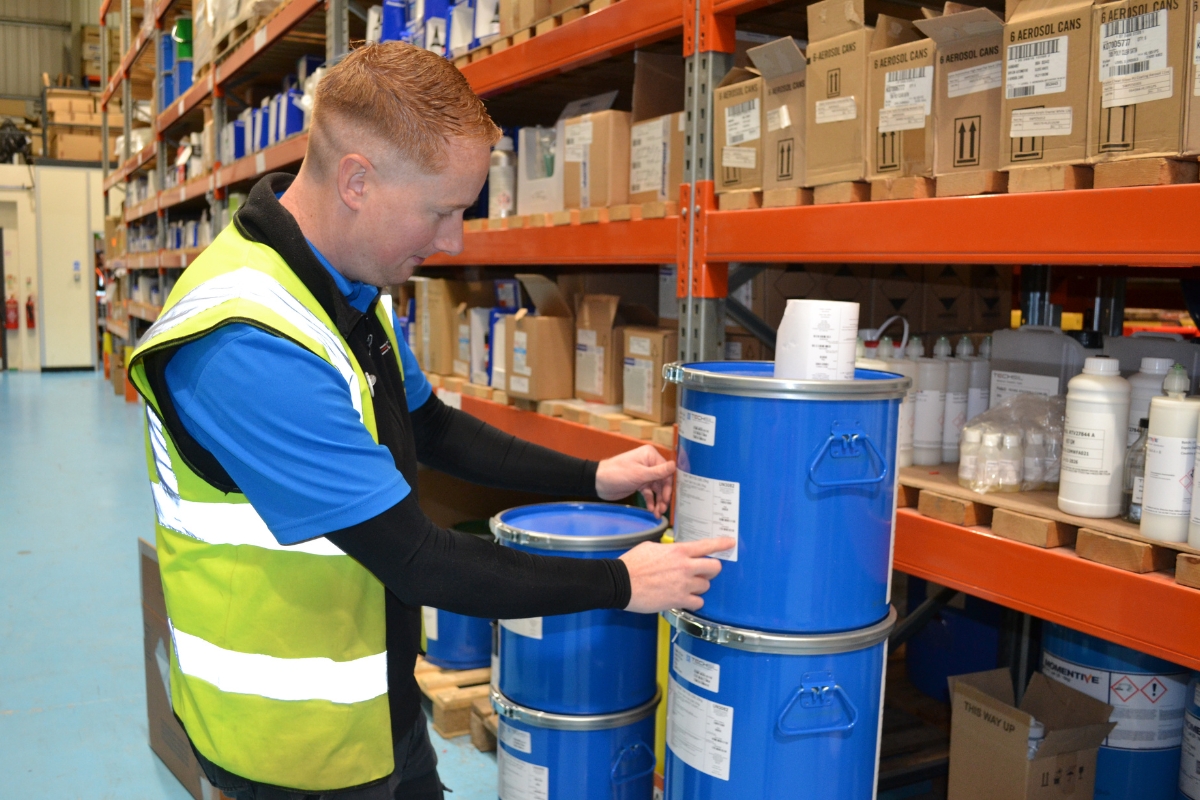
What we’ll usually ask you before recommending a pack

To keep it practical, we tend to ask a few things up front:
-
How is the material applied (manual bead, pneumatic gun, pump, meter-mix, syringe dispense)?
-
What’s your typical daily/weekly usage per station?
-
Is the product moisture-curing, heat-curing, or 2-part?
-
Are there filler loads that settle or abrade equipment?
-
Any labelling rules, customer part numbers, or traceability requirements?
-
Storage conditions at your site (temperature swings and humidity matter more than people think)
CONTACT AN EXPERT
Our team has decades of experience in the world of silicones and adhesives, whatever the application or specification, speak to one of our specialists for a complimentary no-obligation consultation, for professional advice about the right product for your needs.