COMPOSITE MATERIALS AND COATINGS
Composites are a growing industry, being increasingly used across automotive, aerospace, defence and consumer goods. They offer a wealth of benefits for lightweight manufacturing with superior strength and require matching adhesives for high strength, durable bonds. TECHSiL supply a range of products suitable for bonding composite materials like epoxies, structural adhesives and UV cure adhesives, as well as composite coating materials.
Need to bond carbon fibre, GRP, fibreglass or other composite to metal, plastic or another composite? TECHSiL can help you select the right adhesive or tape based on your application and substrate.
WHAT ARE COMPOSITES?
Composite materials are made by combining two or more different materials, usually consisting of a matrix like plastic, resins, or cement, and a reinforcing agent/fibres like glass, carbon, or polymers.
Composites offer superior properties to traditional materials, such as increased durability and flexibility. They are also typically stronger than single materials of the same weight, making them ideal for lightweight applications.
Types of composite materials include:
- Carbon fibre Reinforced Polymer/Plastic (CFRP)
- Thermoplastic Composites
- Sheet Moulding Compound (SMC)
- Bulk Moulding Compound (BMC)
- Aramid Fibre Composites (Kevlar)
- Glass Fibre Reinforced Polymer/Plastic (GFRP/GRP) also referred to as fibreglass
- Honeycomb/Sandwich panel constructions
How composite materials are made also matters, composite manufacturing processes include injection moulding, vacuum infusion, wet lay up and more.
WHY BOND COMPOSITES?
Traditional bonding methods such as welding or fasteners can damage and weaken the composite material, increase the weight and result in a poorer aesthetic finish. For example, needing to drill holes can weaken panels or cause stress cracking, while welding can limit the possible shapes and complexities of structures.
Many adhesives however are designed to match the properties of the materials they are bonding, including composites. These adhesives are formulated to be tough to match the likely harsh environment composite materials face including vibration, impact, heavy loads, and elevated temperatures.
BENEFITS OF ADHESIVES FOR COMPOSITES:
- Distribution of load over a wider area
- High strength to weight ratio
- Bond range of substrates including LSE plastics, metals, and glass
- Offer corrosion and leak resistance
- Improved appearance and design flexibility
- Makes surfaces easier to sterilise and clean
- Ability to bond dissimilar materials
- Better shock and impact absorption
- Typically faster than other joining methods
- Able to automate
- Improved fatigue performance
WHAT ARE YOU BONDING?
Choose the composite and other substrate you’re bonding for more information on surface preparation, products and best practices.
Momentive SLE5600 is a one of the most popular silcione liquid elastomer in TECHSiL's range; a two-component material which can be cured rapidly at elevated temperatures. Supplied with curing agent in matched kits, SLE5600 is beige in colour which facilitates pigmentation and has a viscosity of ~150,000 mPa·s. Ideal for coating fibreglass and other industrial and structural fabrics and sleeving; typical 5600 applications include belting, tape, insulation, electrical sleeving and protective blankets for use at elevated temperatures. SLE5600 is also appropriate for liquid injection molding of small rubber parts where moderate physical strength is adequate and the high strength of the standard Momentive performance materials Liquid Silicone Rubbers is not required.
EVA hot melt adhesives are used to bond various textiles in the furniture and bedding industry. From fast curing hot melts for beading onto textile trims in the window blinds industry, securing leathers on furniture, positioning foams whilst covers are assembled to long open time spray hot melts for foams and toppers in the mattress industry.
Textile & Coating Consumables Product Ranges:
Textiles & Coatings Product Portfolio
COMPOSITES COATINGS
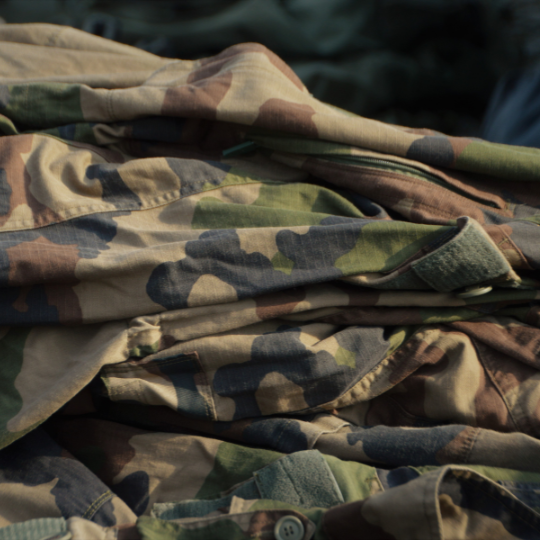
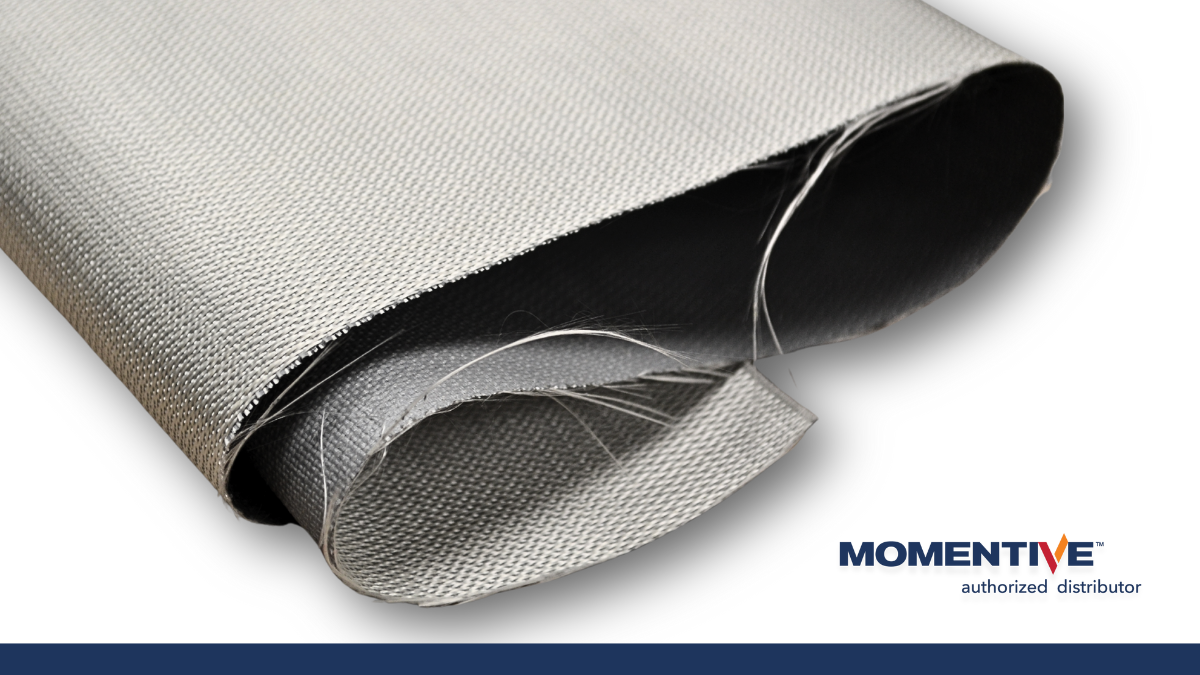
Traditionally silicones have been applied to glass fabrics to offer fabric reinforcement and reduce porosity. The affinity for the glass fibre ensures a degree of compatibility and enables flexible lightweight coated fabrics.
Silicone offers extreme performance to a selection of engineering fabrics including glass cloth, Nomex, Kevlar, nylon and polyester. Coating these fabrics improves the 'hand' and feel of the base material, reduces the porosity and provides resistance to heat and abrasion. By mechanically bonding the materials in a matrix, the coated fabrics benefit greatly from the synergy of the resin and substrate working together.
Momentive SLE5600 silcione liquid elastomer is a two-component material which can be cured rapidly at elevated temperatures. Supplied with curing agent in matched kits, SLE5600 is beige in colour which facilitates pigmentation and has a viscosity of ~150,000 mPa·s. Ideal for coating fibreglass and other industrial and structural fabrics and sleeving; typical 5600 applications include belting, tape, insulation, electrical sleeving and protective blankets for use at elevated temperatures. SLE5600 is also appropriate for liquid injection molding of small rubber parts where moderate physical strength is adequate and the high strength of the standard Momentive Liquid Silicone Rubbers is not required.
Materials for Textiles & Coatings
Visit our Resource Centre and discover a comprehensive collection of informative videos, white papers, and technical guides that examine our innovative approach to the Textiles & Coatings industry.
Textiles & Coatings Products
-
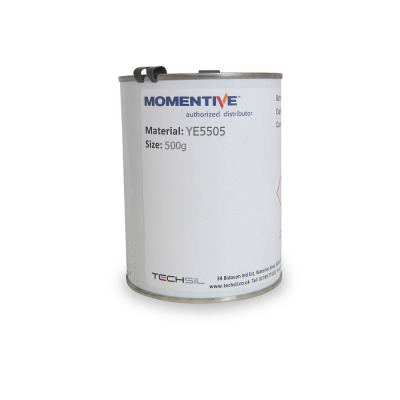 Momentive YE5505 Silicone Conformal Coating 500gm£57.26 ex VAT £68.71inc VAT
INDUSTRY APPLICATIONS FOR COMPOSITES

Composites are being used in place of metals within aerospace for structural elements like wings and tails, being able to handle high loads while remaining lightweight, with carbon fibre being one of the most popular choices.
The use of composites makes aircrafts lighter, reducing emissions and ultimately improving financial and environmental effects with less maintenance costs and more sustainable materials. Composite materials also offer vibration dampening properties to improve passenger comfort.
Applications include wings, fuselages, cryogenic tanks, satellites, interior panels and furniture, cargo doors, radomes, propulsion blades, and launch infrastructure.
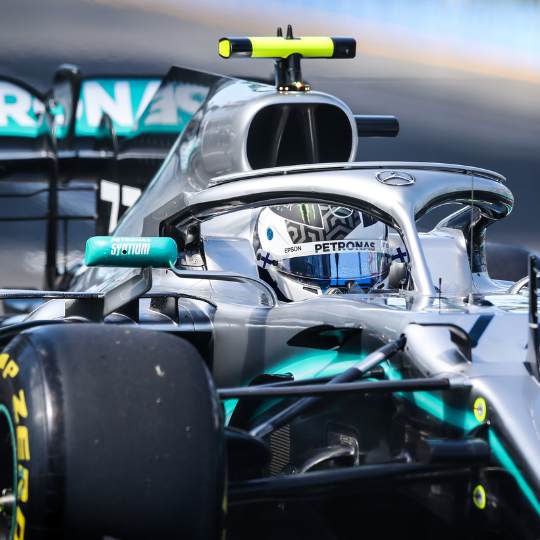
In motorsports, composite materials are key to performance, allowing for the manufacture of lightweight, aerodynamic parts and improved crash energy absorption for driver safety. These materials also offer greater design freedom to create sleeker, faster, sports cars.
In general automotive, composites make vehicles lighter to lower power consumption, and improve distance capacity of EVs, allowing commercial vehicles to go further while hitting sustainability goals.
Applications include body panels, wings, frames, breaks, bumpers, underbody protection, interiors and seats, and trims.

Defence applications for composites cover land, sea and air, used in vessels, aircraft, vehicles, and equipment with the industry being one of the driving forces behind composite innovation.
The lightweight properties of composites allow armoured vehicles to be more agile while remaining durable in harsh environments. They are also used to make gear more corrosion and heat resistant, improve mobility and offer enhanced impact and blast resistance improving user safety.
Applications include military aircraft, naval vessels, armoured vehicles, protective equipment, body armour and helmets, communication equipment housing, and radar structures.

For drone manufacturing, composite materials and adhesives are used for structural and frame assembly as they offer better vibration absorption than traditional materials and mechanical fixtures as well as weight reduction for improved performance.
By utilising adhesives dissimilar materials, such as composite to metal, can be bonded to create unique, curved or more aerodynamic shapes.
Applications include propeller construction, radomes, wings, structures, housings, and frames.

Composites have become essential for the renewable energy industry being used across solar, wind and hydro power.
Their high strength to weight ratio makes them ideal for solar panel production as they are easier to transport and install which also reduces costs. For wind energy, composites are used for turbine blades offering weather resistance, vibration dampening for noise reduction, and durability. They are also ideal materials for storage infrastructure including hydrogen.
Applications include turbine blades, fuel cells, hydrogen storage, energy infrastructure, generator housings, offshore components, cable management and structural supports.
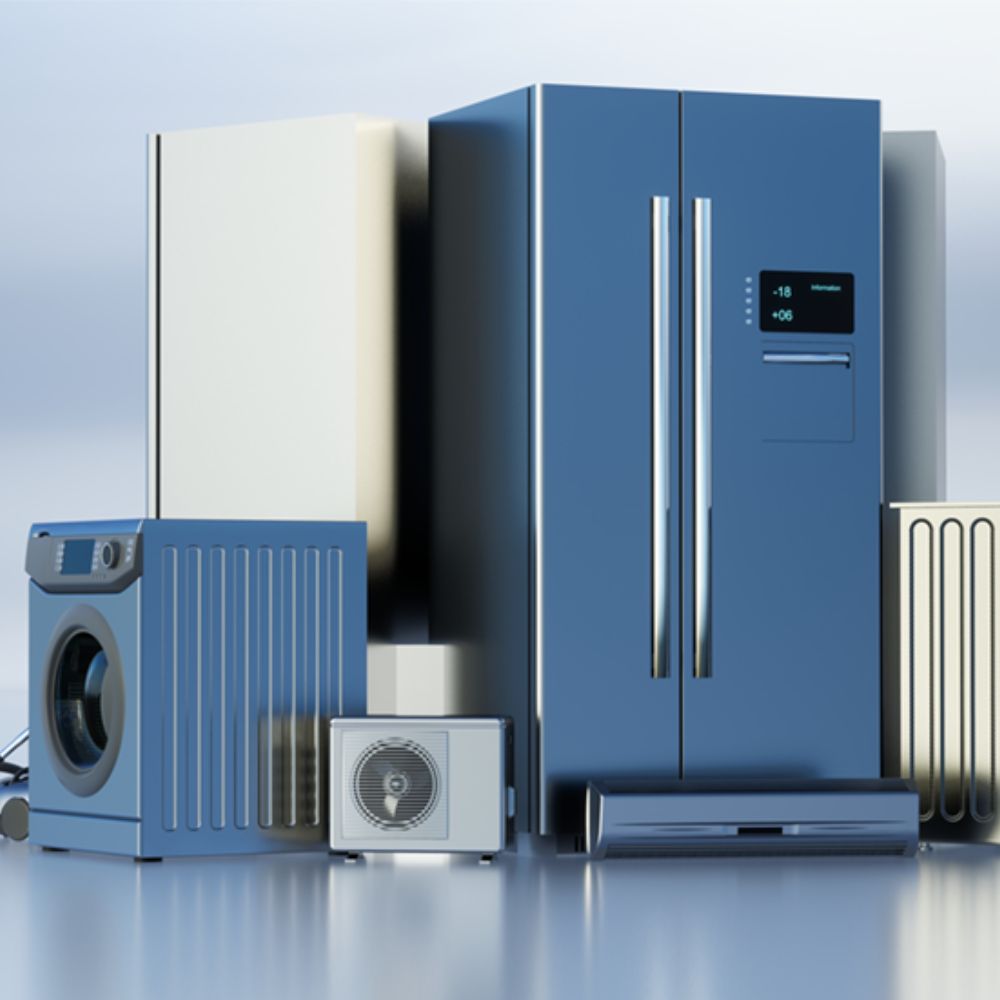
From sports equipment to footwear, laptop casings to shower trays, one of the larger markets for composite materials is consumer goods. Composites offer environmental resistance ideal for electronic casings and outdoor equipment, and their light weight makes them ideal for luggage and golf clubs,
They offer greater design freedom for the creation of complex shapes and premium goods, while their longer service life helps extend product lifecycles. Composite materials are also compatible with the high-volume manufacturing required in consumer industries.
Applications include shower trays, sports equipment, electronic casings and enclosures, furniture, kitchen work tops and sinks.
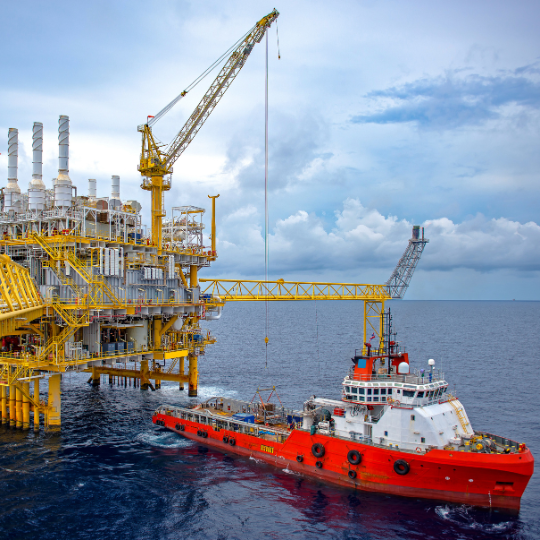
Composite materials are used across the marine industry for leisure crafts, yachts, recreational boats, naval vessels, offshore structures, and inflatable boats. They are used to create sleek designs for premium vessel, light weight structures in weight critical applications, help improve fuel efficiency and offer insulation properties.
Their corrosion, salt water, fatigue and chemical resistance properties allow for a long service life in harsh environments and reduced maintenance requirements. With the use of water-resistant sealants and adhesives this protection is reinforced.
Potential applications include interior mouldings, keels, bows, flood defences, hulls, pipework, tanks, doors, propellers and interiors

Composites are being increasingly used in rail to transition to a more sustainable railway helping improve energy efficiency, lower overall mass and increase passenger capacity.
They are also used to create lightweight single roof and side panels for emergency vehicles for improved stability. By utilising adhesives to secure these panels, surfaces are smoother and easier to sterilise for health and safety standards. Other composite properties ideal for rail, bus, and coach include electrical insulation and compliance with fire, smoke, and toxicity standards.
Potential applications include track beds, platforms, cab structures, access panels, HVAC ducting, access bridges, and interior moulding.
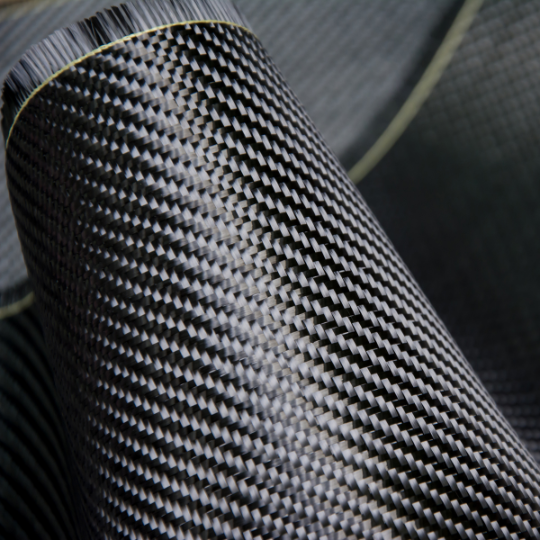
WHICH ADHESIVE IS BEST FOR BONDING COMPOSITES?
There are a wide range of adhesive types availble for bonding composite materials:
Epoxies - The most common adhesive for bonding composites due to their strength and durability, modified epoxies are also flexible and shock absorbing.
MMAs & Structural Acrylics - These form high strength bonds to composites which have a high peel strength. Surface activated ones are very fast setting, while methyl methacrylates provide gap filling properties ideal for rough surfaces.
Polyurethanes - Two part polyurethanes are ideal for bonding large composite panels and bonding carbon fibre interior trim.
Cyanoacrylates - Offering strong bonds rapidly, these are ideal where a high peel/impact strength are not required. Cyanoacrylates are also suitable in place of clamps to hold the assembly while a longer cure adhesive bonds.
UV Curing - UV curable adhesives are good for bonding composites to glass or plastic and can be used as a coating.
For more information on choosing the right adhesive for your material contact our Technical Team.
POPULAR PRODUCTS FOR COMPOSITE BONDING
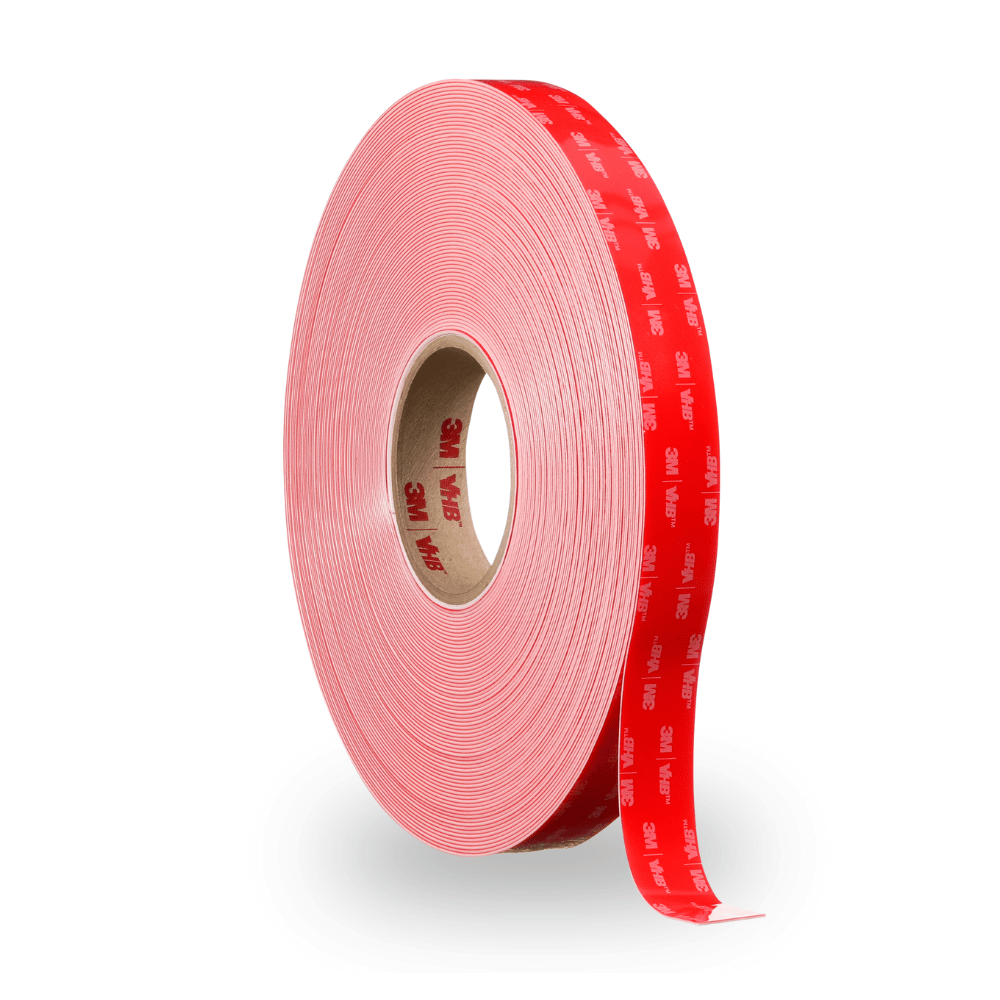
3M VHB Tape LSE-110WF
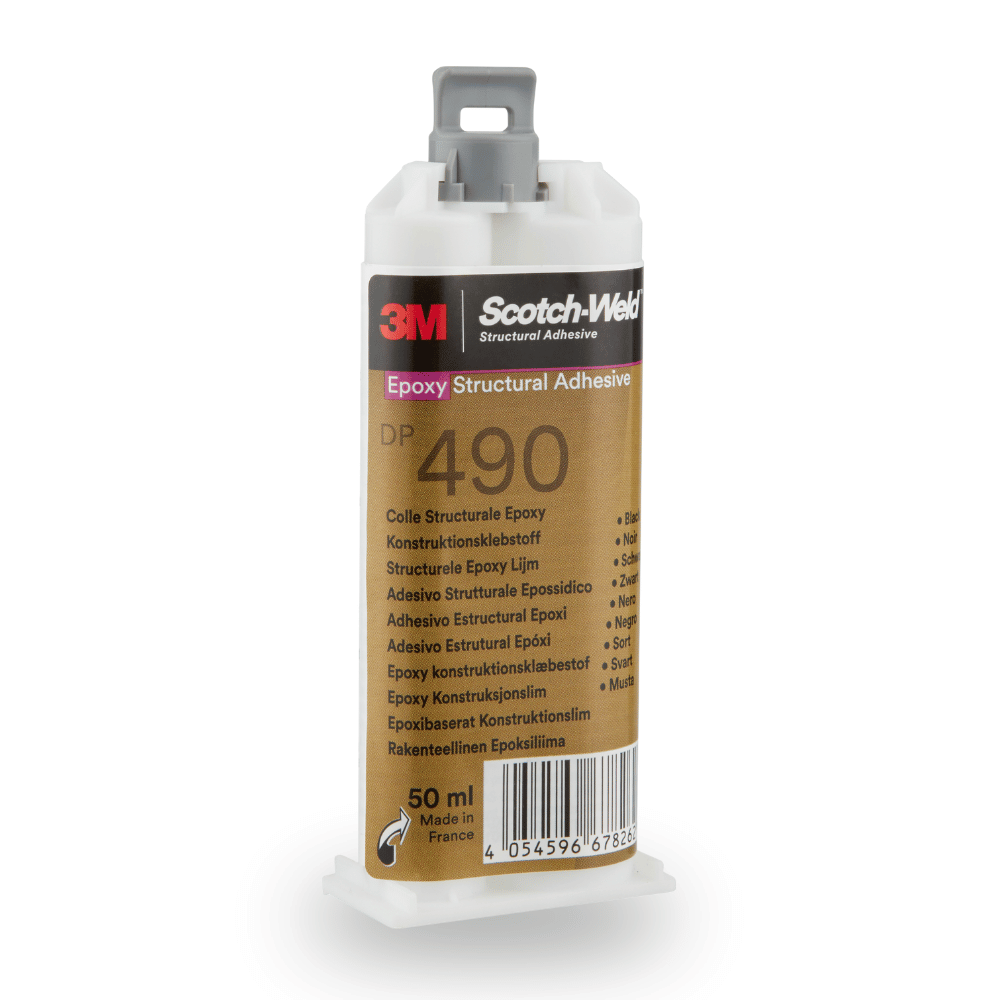
3M DP490
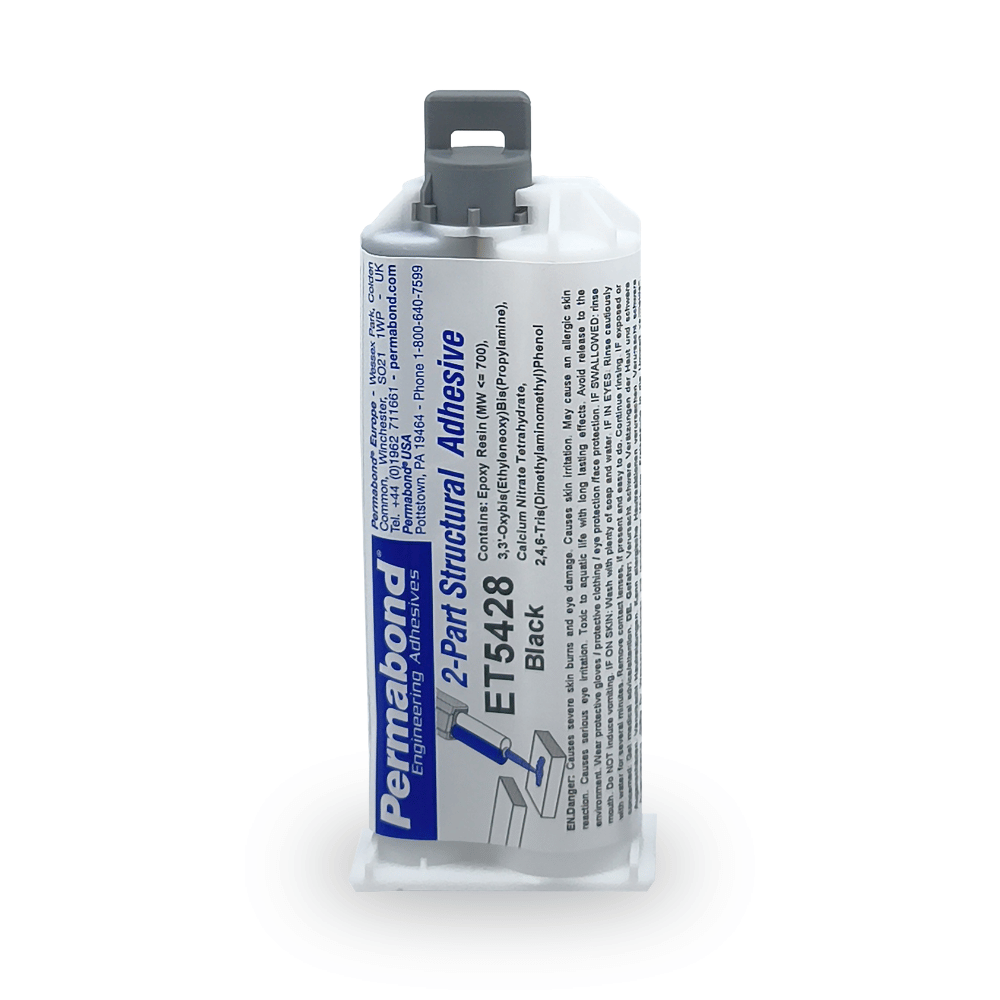
Permabond ET5428
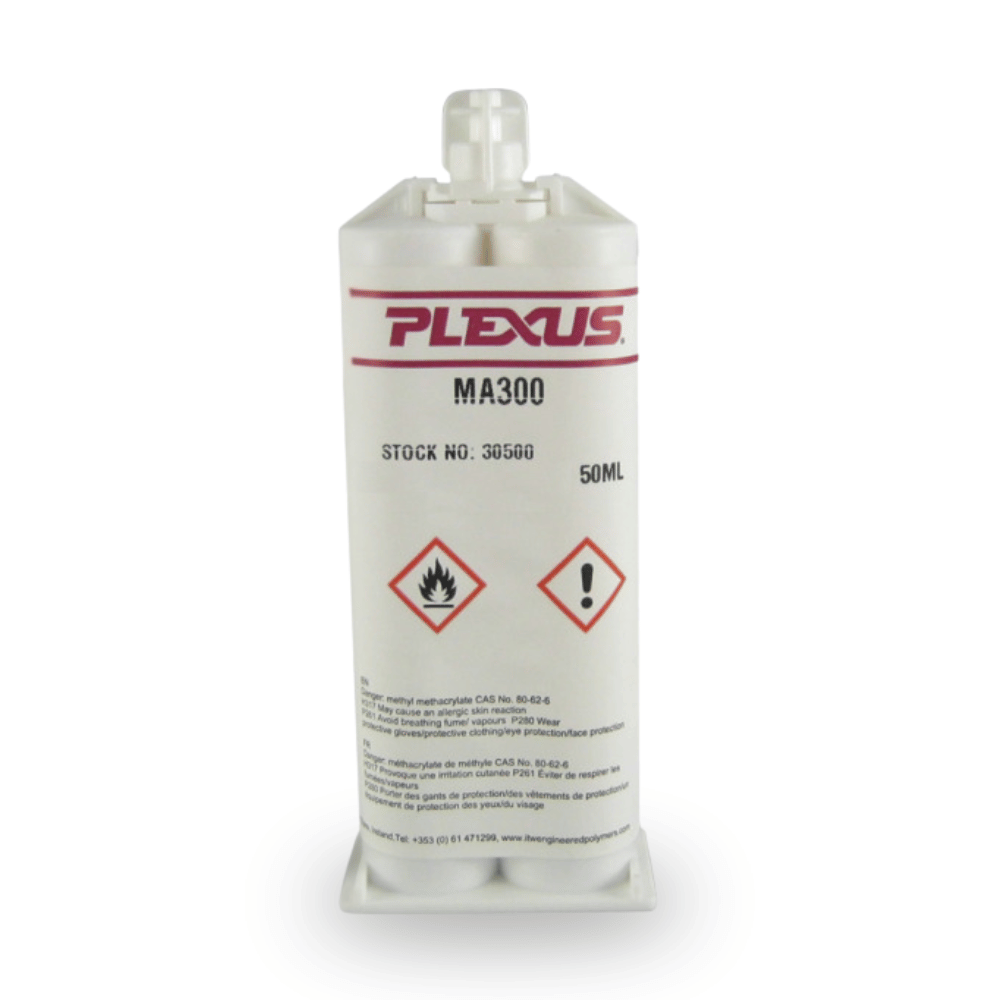
Plexus MA300 Methacrylate Adhesive
High strength adhesive for structural bonding of composites, thermoplastics, and metal. Suitable for bonding Composites DCPD, FRP, Epoxy Based Composites.
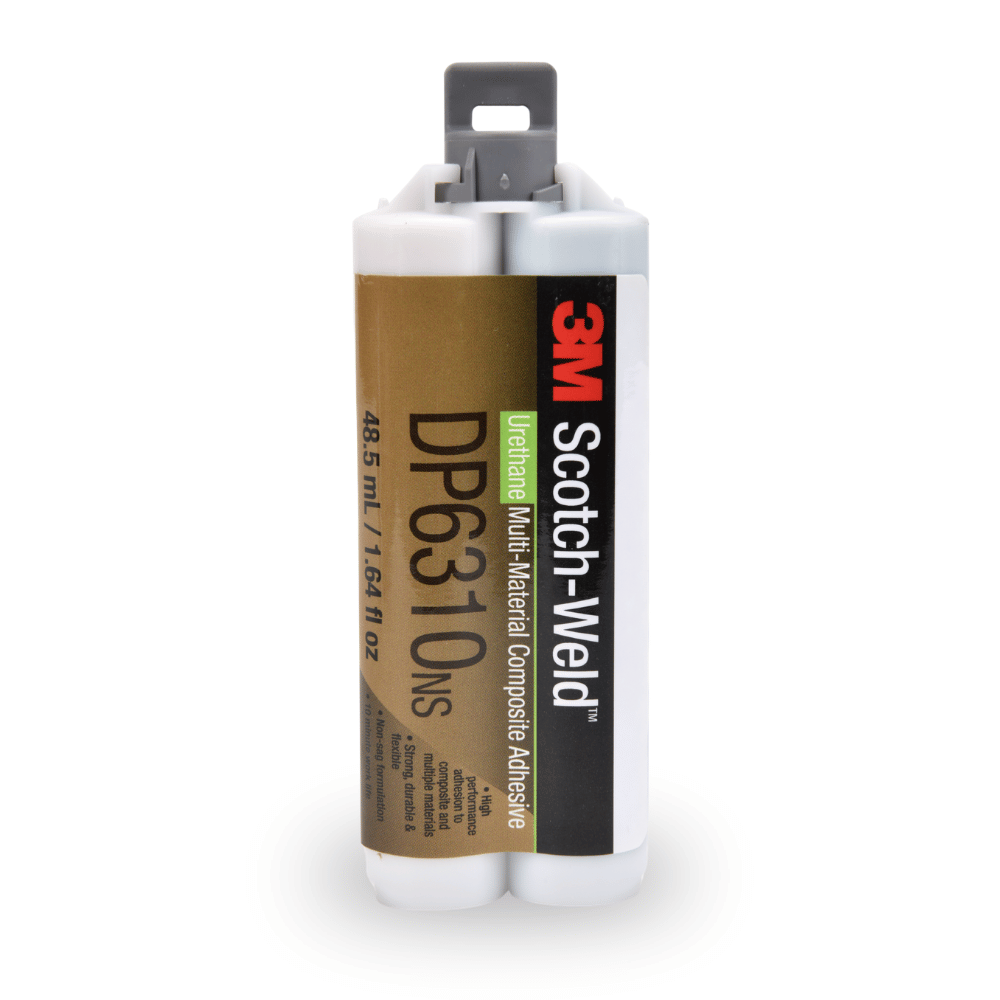
3M DP6310NS
More composite suitable adhesives from TECHSiL:
-
-
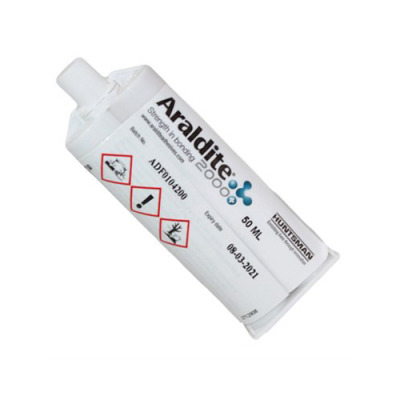
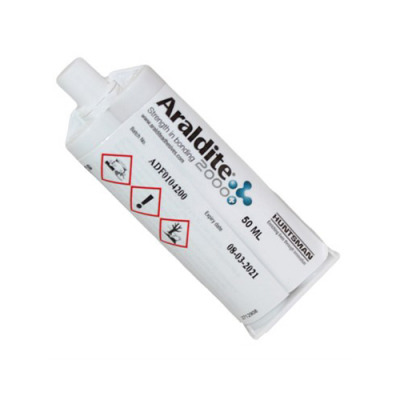 Araldite 2014-2 Gap Filling Epoxy Adhesive 50ml£24.64 ex VAT £29.57inc VAT
 -
 Momentive SLE5300 White Coating Silicone 44lb£542.31 ex VAT £650.77inc VAT
 -
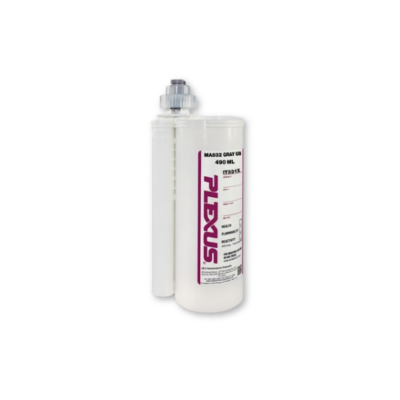 Plexus™ MA832 Grey High Strength Methacrylate 490ml£93.16 ex VAT £111.79inc VAT From £88.00 ex VAT £105.60inc VAT
 -
 Plexus™ MA830 Grey High Strength Methacrylate 490ml£96.84 ex VAT £116.21inc VAT
 -
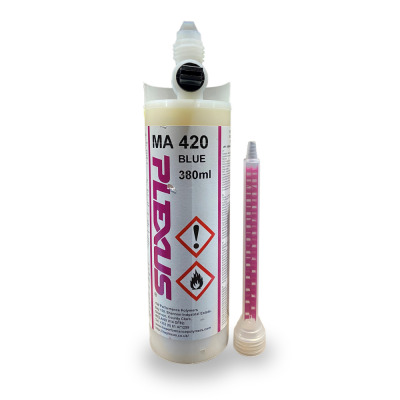 Plexus™ MA420 Blue Flexible Methacrylate 490ml£80.59 ex VAT £96.71inc VAT
 -
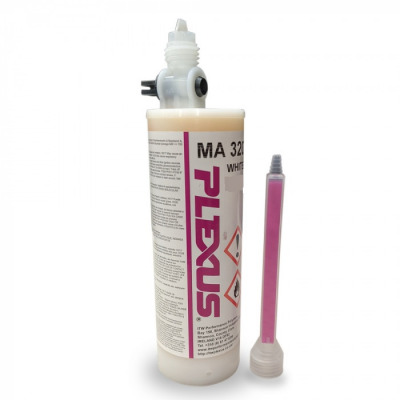 Plexus™ MA320 Off-White Flexible Methacrylate 490ml£87.41 ex VAT £104.89inc VAT
 -
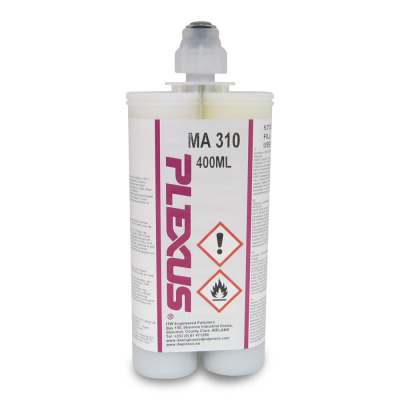 Plexus™ MA310 Cream High Strength Adhesive 400ml£69.09 ex VAT £82.91inc VAT From £64.16 ex VAT £76.99inc VAT
 -
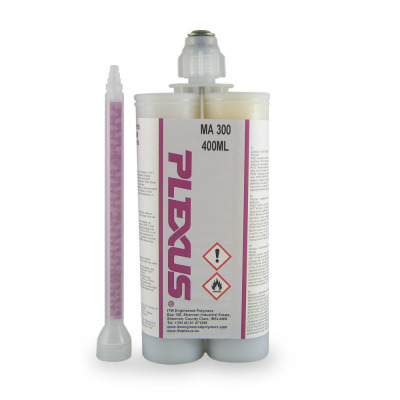 Plexus™ MA300 Fast High Strength Methacrylate 400ml£46.31 ex VAT £55.57inc VAT From £34.35 ex VAT £41.22inc VAT
WHY CHOOSE TECHSiL?
For over 30 years, TECHSiL have supplied high-quality adhesives and sealants across varied industries including aerospace, defence, electronics, and automotive. With a dedicated, experienced sales team, we work in partnership with our customers, priding ourselves in understanding their specific requirements and offering tailored solutions to help them grow their business.
Our Services Include:
- Repacking facilities
- Tape slitting and conversions
- Kitting options
- Account and Stock management solutions
- Bespoke labelling, barcoding, and packaging
- On-site visits and consultations
- Samples and product testing
- Product selection advice and application expertise
TECHSiL Accreditations and Assurances:
- ISO 9001:2015 Quality Management Approval
- Trusted supplier relationships
- Full traceability and documentation
- UL recognised products
- RoHS & REACH compliant products
- JOSCAR registered company
- FDA approved products
- TECHSiL Nato CAGE code: U6533



Andy Briars
TECHNICAL SALES MANAGER
andy.briars@techsil.co.uk
+44 (0)7765 235580

Slater Jinkinson
SALES DIRECTOR
slater.jinkinson @techsil.co.uk
+44 (0)7765 668959
Do you have an enquiry?
Reach out to our Technical Team for expert assistance regarding your composite or textiles application or problem, and book a complimentary consultation.
technical@techsil.co.uk | +44 (0) 1789 774 244
Connecting industries worldwide with
innovative bonding solutions